
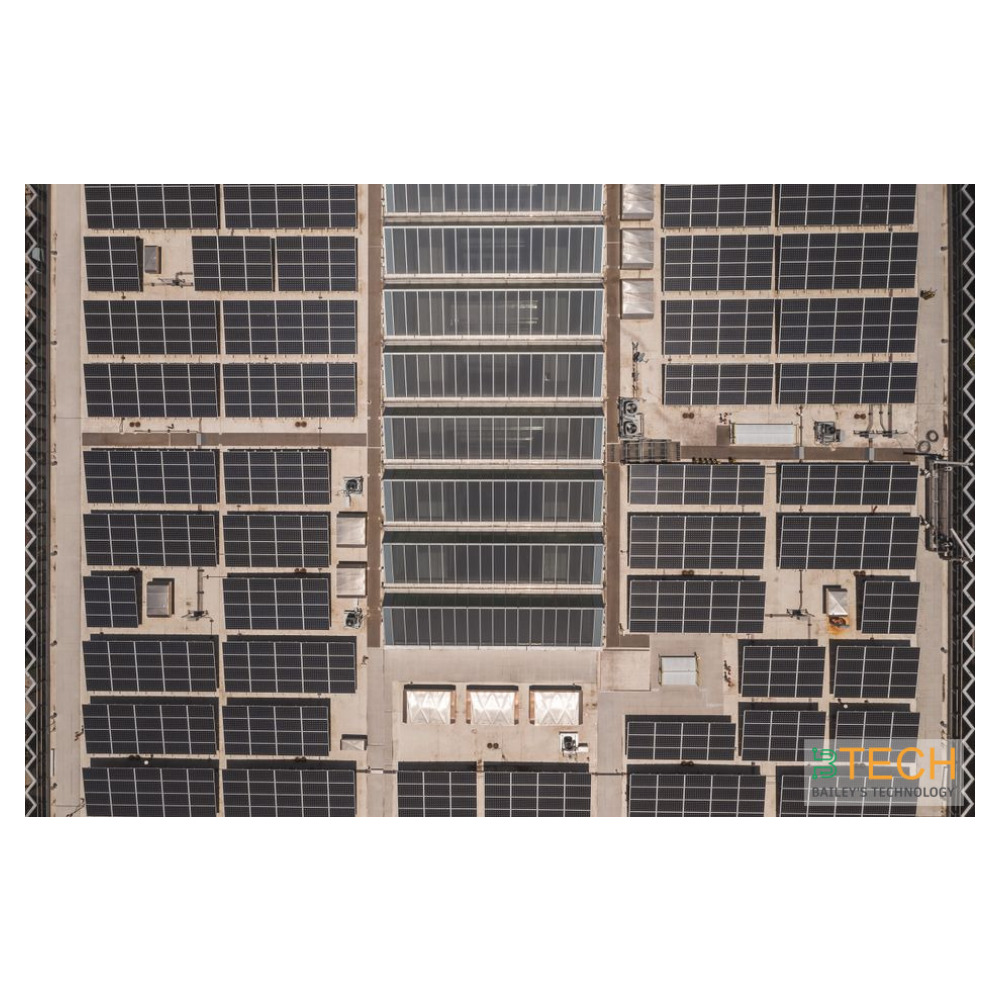
Why Solar Power Is Booming in Jamaica
Jamaica is embracing solar power like never before. With abundant sunshine year-round and electricity costs among the highest in the Caribbean, more homeowners and businesses are turning to solar to take control of their energy bills. According to the Jamaica Public Service (JPS) rate schedules, residential electricity rates have fluctuated between roughly US$0.30 and US$0.42 per kilowatt-hour in recent years, making solar an increasingly attractive investment. The International Renewable Energy Agency (IRENA) reports that the cost of solar photovoltaic modules has dropped by about 90% since 2010, making systems more affordable than ever for Jamaican families.
The Jamaican government has also set ambitious goals. Under its National Energy Policy, the island aims to generate 50% of its electricity from renewables by 2030. This commitment, combined with net billing programs that credit solar owners for excess energy sent to the grid, has created a supportive environment for solar adoption.
How Solar Panels Work on a Jamaican Home
Solar panels convert sunlight into direct current (DC) electricity, which an inverter then changes into alternating current (AC) for household use. In Jamaica’s tropical climate, panels typically produce peak output between 9 a.m. and 3 p.m., when sun intensity is highest. A typical residential system in Jamaica ranges from 2 to 5 kilowatts (kW), depending on energy needs. With average household consumption of about 300 kilowatt-hours (kWh) per month, a 3 kW system can often offset 70–90% of a home’s electricity usage.
Net Billing and Your Electric Bill
Under JPS’s net billing program, any excess power your solar system generates is exported to the grid, and you receive a credit on your bill. This means you can effectively spin your meter backward during sunny periods, reducing your monthly costs. However, net billing rates are lower than retail rates, so it’s wise to size your system conservatively to maximize savings.
Choosing the Right Solar System for Your Property
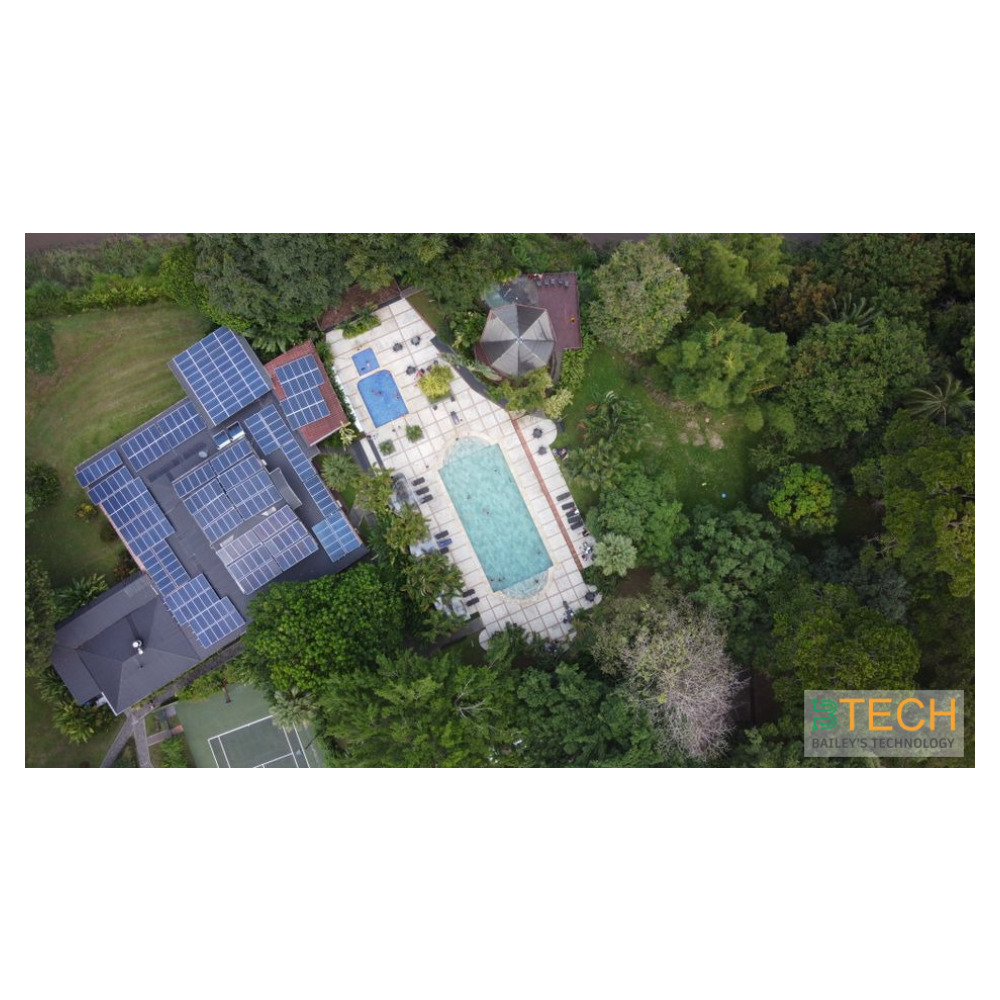
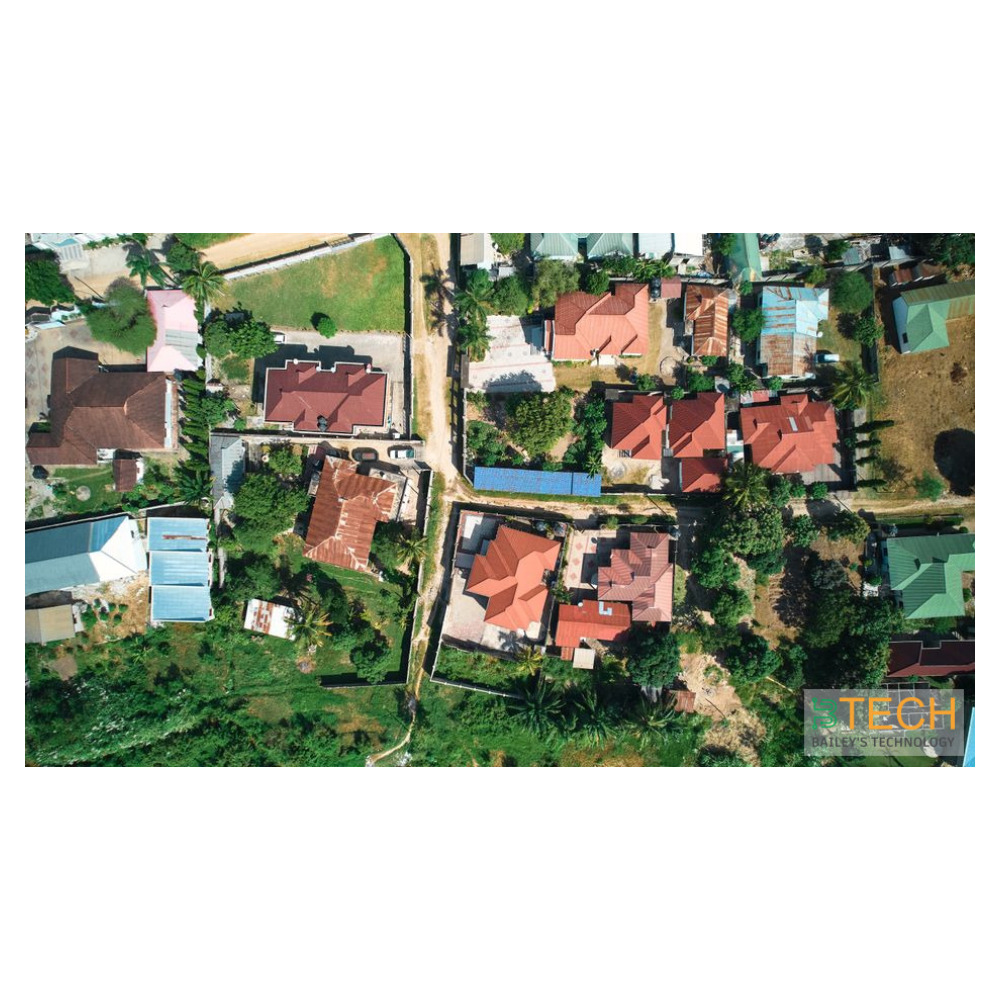
When selecting a solar system in Jamaica, consider three main factors: roof space, energy usage, and budget. Most Jamaican homes have pitched roofs that are ideal for solar, but orientation matters—southern-facing roofs get the best sun exposure. A solar professional can conduct a site assessment to determine the optimal panel placement and system size. Battery storage is also becoming popular, allowing you to store excess energy for use at night or during outages.
Quality also matters. Look for panels with high efficiency ratings—most modern panels convert 18–22% of sunlight into electricity. Inverters should be reliable and compatible with your grid connection. A reputable installer like BTECH Solar Energy Jamaica can guide you through every step, from design to installation and grid connection.
Solar power in Jamaica is no longer a luxury—it is a smart financial move that pays for itself in five to seven years and then delivers free electricity for decades.
FAQ
How much does a solar system cost in Jamaica?
Costs vary by system size and quality, but a typical 3 kW residential installation might range from US$4,000 to US$7,000, including panels, inverter, and installation. With current electricity rates, most homeowners recover their investment within five to seven years.
Will solar panels work during hurricanes?
Solar panels are built to withstand high winds—most are rated for gusts up to 140 mph. However, it’s essential to have your system professionally installed and to secure any loose items before a storm. Batteries can also provide backup power during outages.
Can I go completely off-grid in Jamaica?
Yes, but it requires a larger system and battery bank, which increases costs. Most homeowners choose a grid-tied system with net billing for the best balance of savings and reliability.
Ready to Make the Switch to Solar?
Take the first step toward energy independence and lower bills. Contact BTECH Solar Energy Jamaica today for a free consultation and custom solar design for your home or business. Let’s harness the sun together—call us or visit our website to get started!