
What Is the Solar Standard in Jamaica?
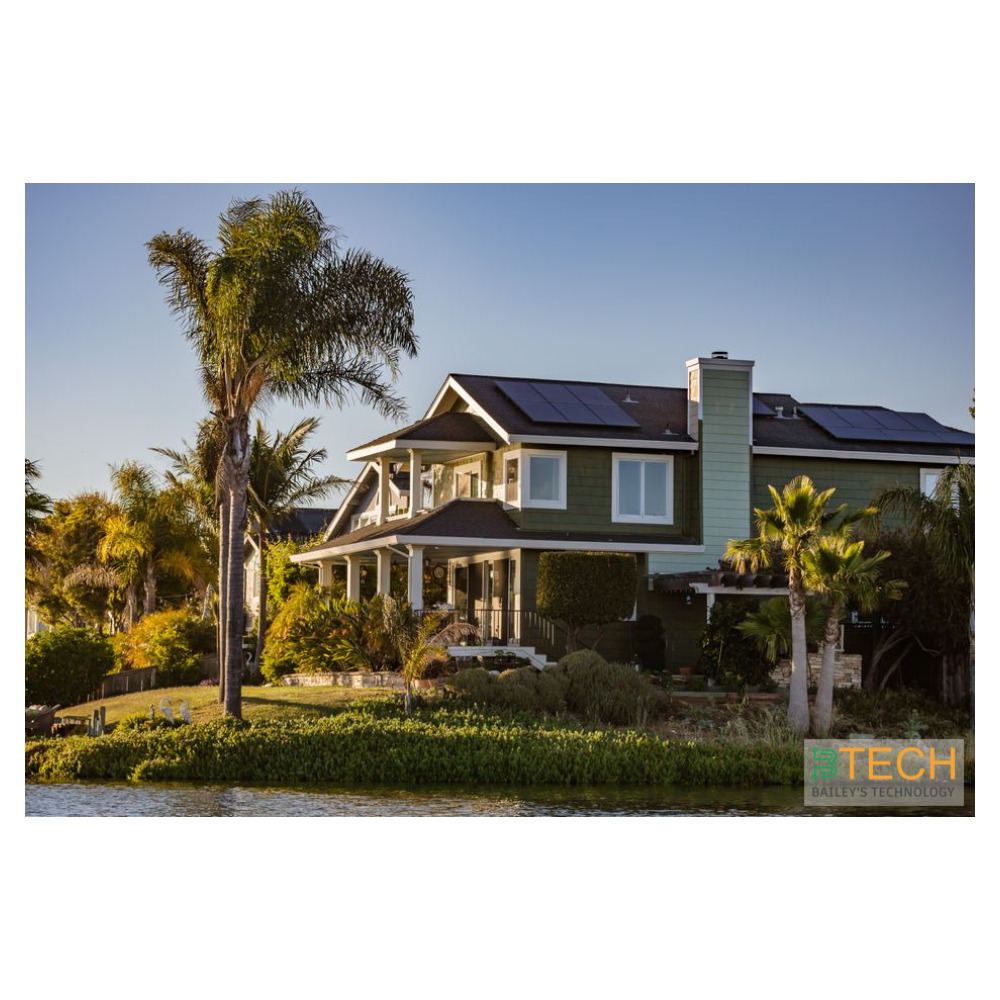
The solar standard in Jamaica refers to the technical and regulatory requirements for grid-tied solar photovoltaic (PV) systems, as set by the Jamaica Public Service (JPS) and the Ministry of Science, Energy, and Technology. For homeowners, this means your solar system must meet specific interconnection and safety standards to connect to the national grid and qualify for net billing — the program that credits you for excess electricity you send back to JPS.
According to JPS net billing guidelines, a typical residential system must include a bi-directional meter, an approved inverter, and a disconnect switch. The standard also limits system size to 100% of your average monthly consumption, ensuring you don’t overproduce. This framework is similar to net metering policies in other Caribbean nations, but Jamaica’s version credits exported energy at a wholesale rate rather than the retail rate.
Why the Solar Standard Matters for Jamaican Homeowners
Adhering to the solar standard in Jamaica is crucial for three reasons: safety, financial return, and grid reliability. JPS requires all installations to be done by a licensed electrician and to comply with the National Electrical Code. This protects your home and family from electrical hazards like arc faults or backfeeding into a downed line.
Financially, a compliant system can pay for itself in 5 to 7 years, according to estimates from the Caribbean Renewable Energy and Energy Efficiency Centre (CREEE). Jamaica’s electricity rates are among the highest in the Caribbean — roughly 25 to 30 US cents per kilowatt-hour (kWh) in 2024, according to JPS rate schedules. With solar, you can lock in lower, predictable energy costs for 25 years or more.
A properly installed solar system meeting Jamaica’s standard can reduce a typical home’s electricity bill by 70% or more, based on average JPS residential consumption of 500 kWh per month.
Key Requirements of the Solar Standard
System Components
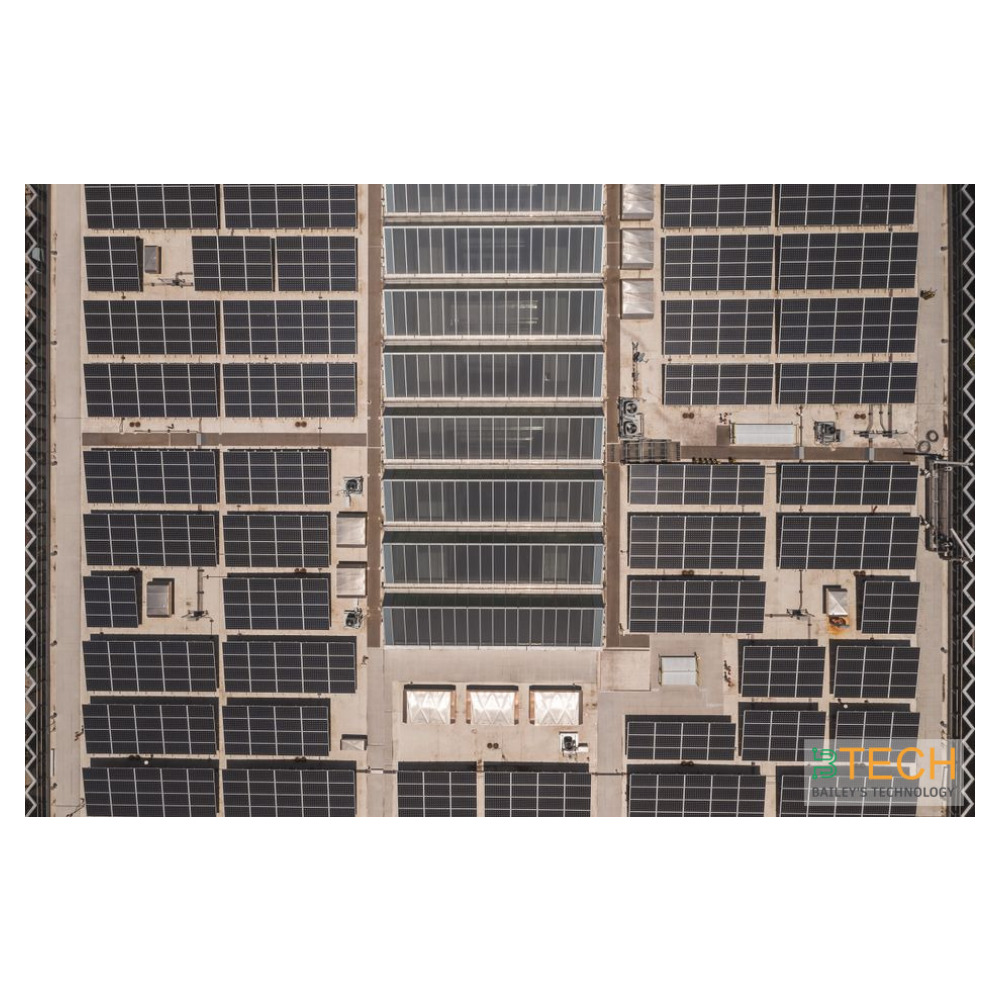
Your solar installation must use JPS-approved inverters and panels. Most modern panels have efficiencies between 19% and 22%, as reported by the National Renewable Energy Laboratory (NREL). While efficiency matters, the standard focuses more on safety and compatibility with the grid.
Net Billing vs. Net Metering
Jamaica uses net billing, not net metering. This means you buy electricity from JPS at the retail rate but sell your excess at a lower wholesale rate (about 5 to 7 US cents per kWh). This makes it important to size your system to match your usage — overproducing gives you less value per kWh.
Inspection and Approval
After installation, JPS inspects the system and installs a net billing meter. The process typically takes 4 to 8 weeks from application to approval. Working with a certified installer like BTECH Solar Energy Jamaica streamlines this step.
FAQ
Can I install solar panels myself in Jamaica?
No. To meet the solar standard in Jamaica, a licensed electrician must handle the installation. DIY systems cannot connect to the JPS grid and won’t qualify for net billing.
What happens if my system doesn’t meet the standard?
JPS will deny your interconnection application. You would then need to pay for modifications or replacements to bring the system into compliance, which can be costly.
How long does it take to get approved?
From application to final connection, expect about 4 to 8 weeks. Delays can occur if paperwork is incomplete or if the system fails inspection.
Ready to go solar the right way? Contact BTECH Solar Energy Jamaica today for a free consultation. Our team ensures your system meets Jamaica’s solar standard from day one — so you can start saving with confidence.