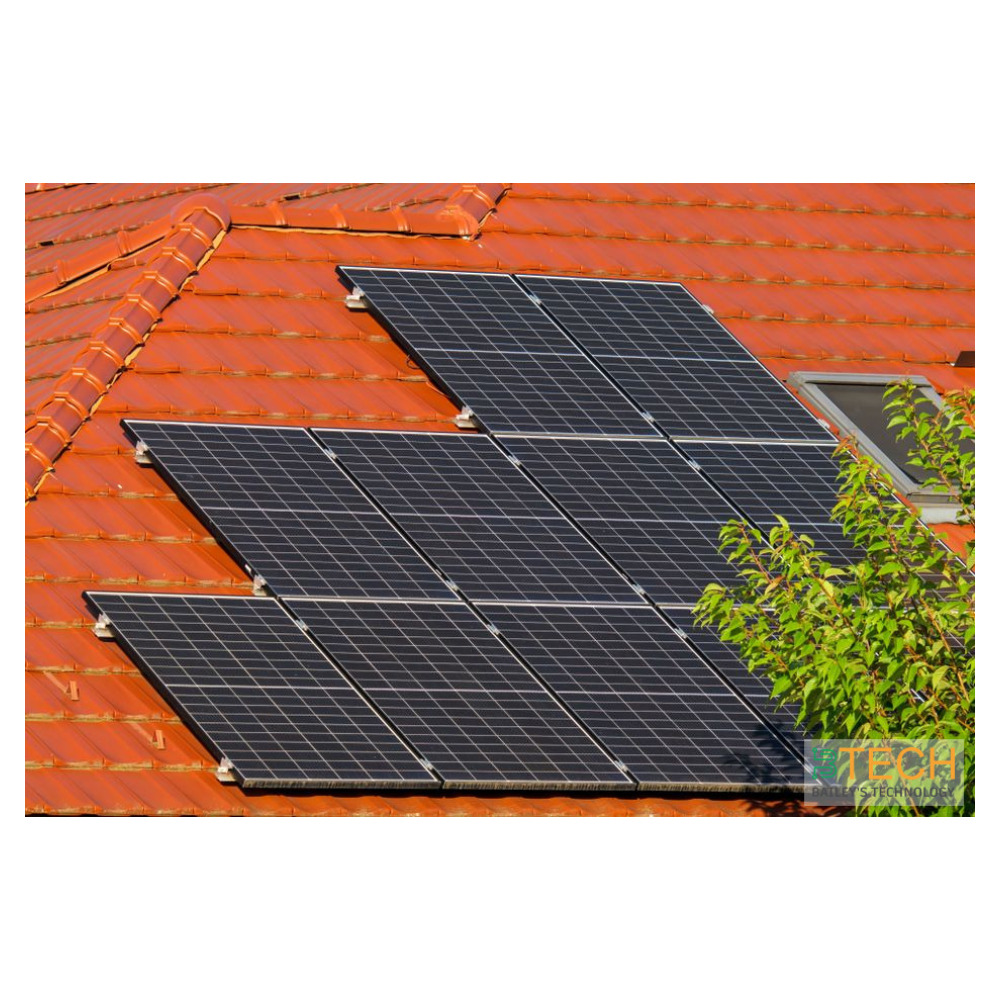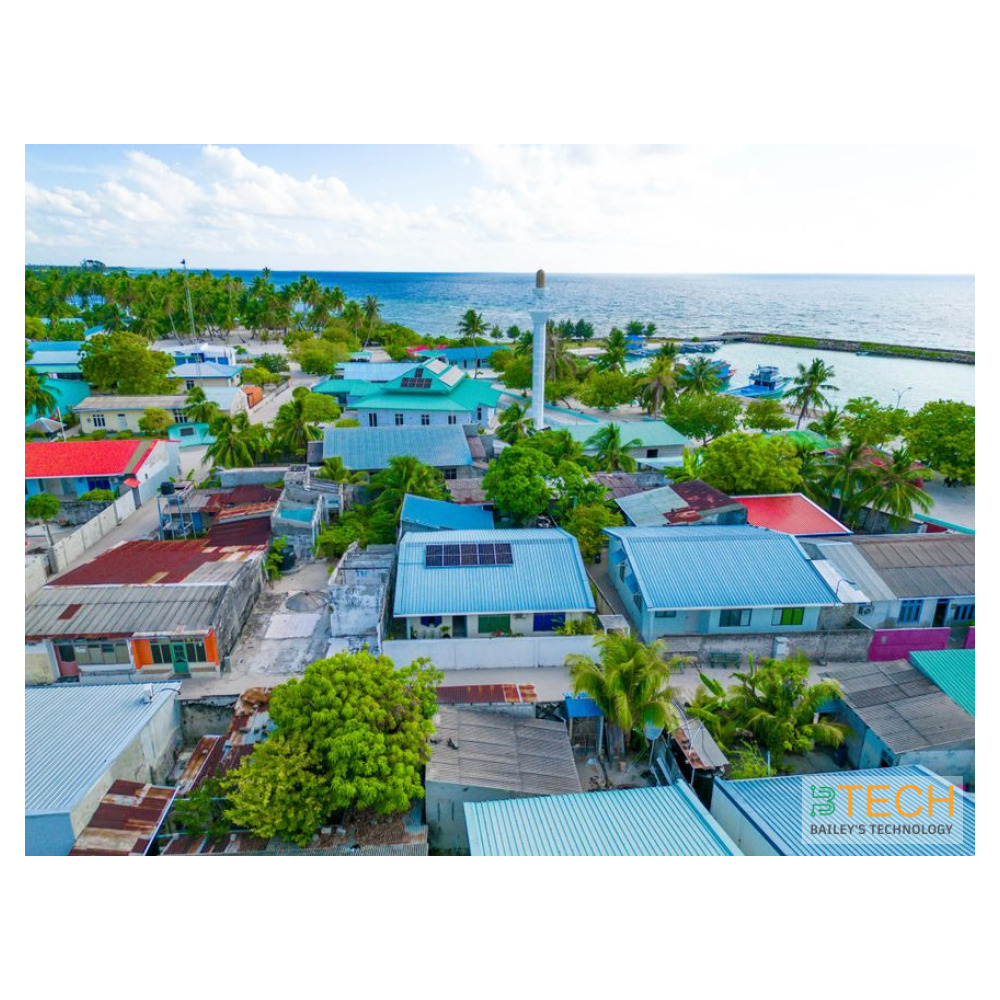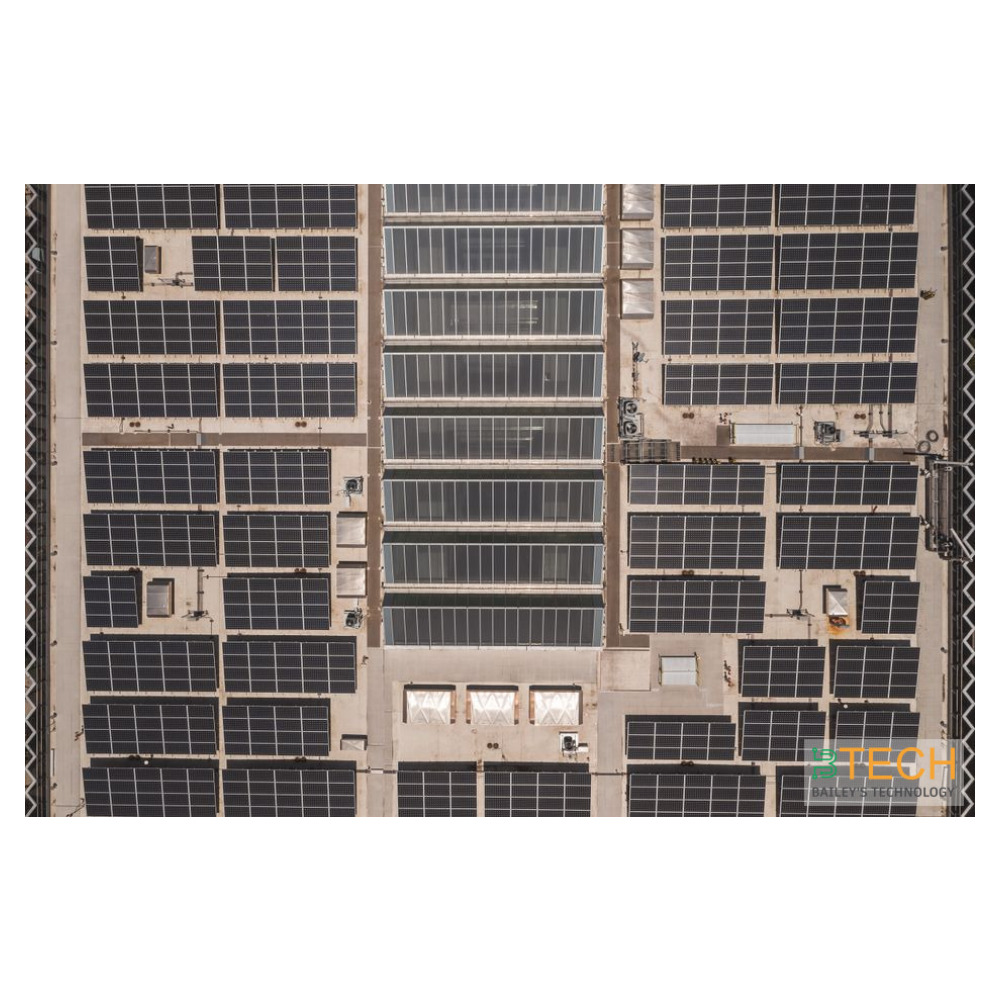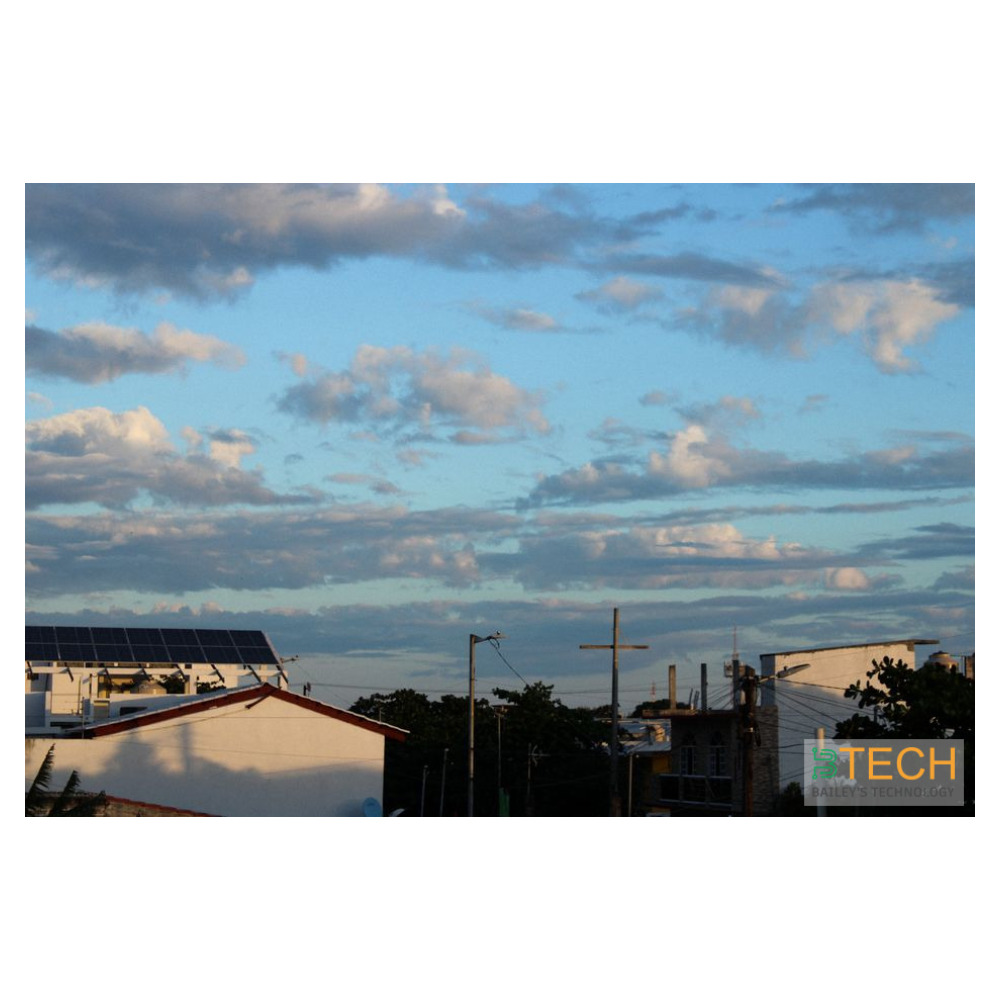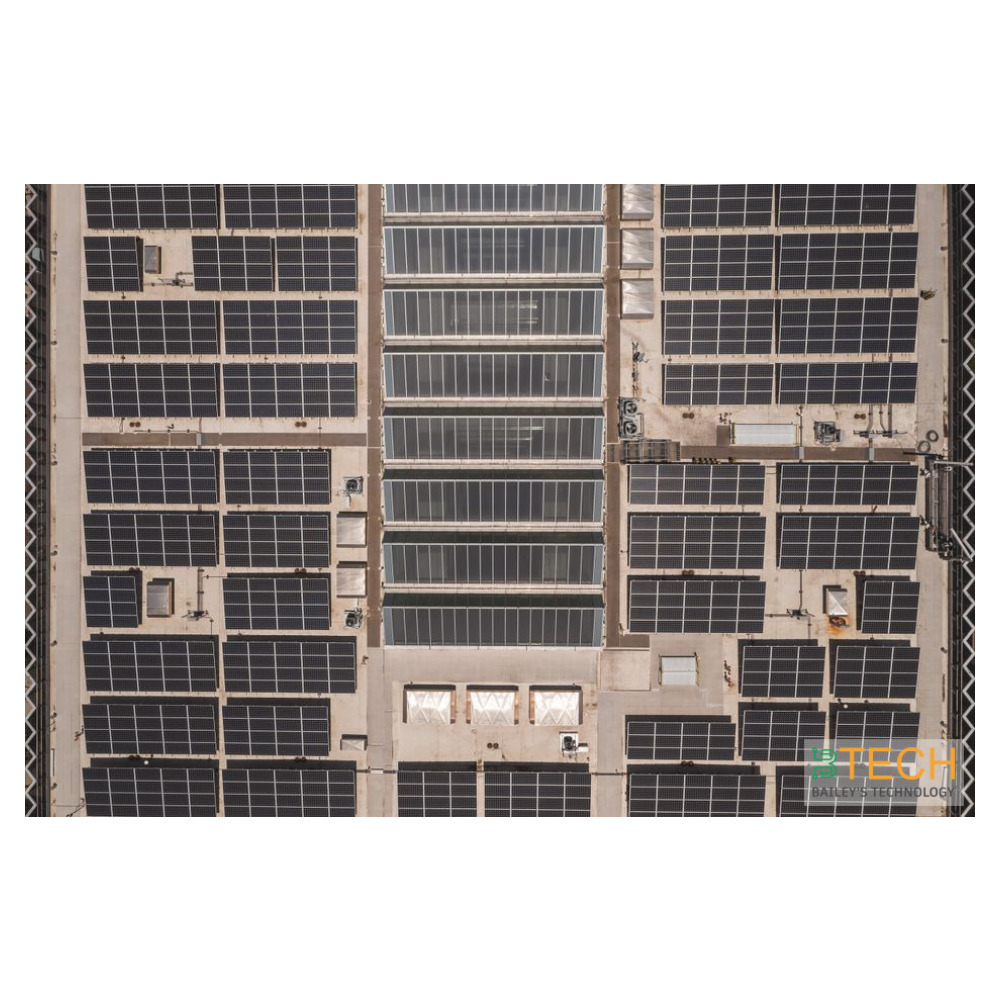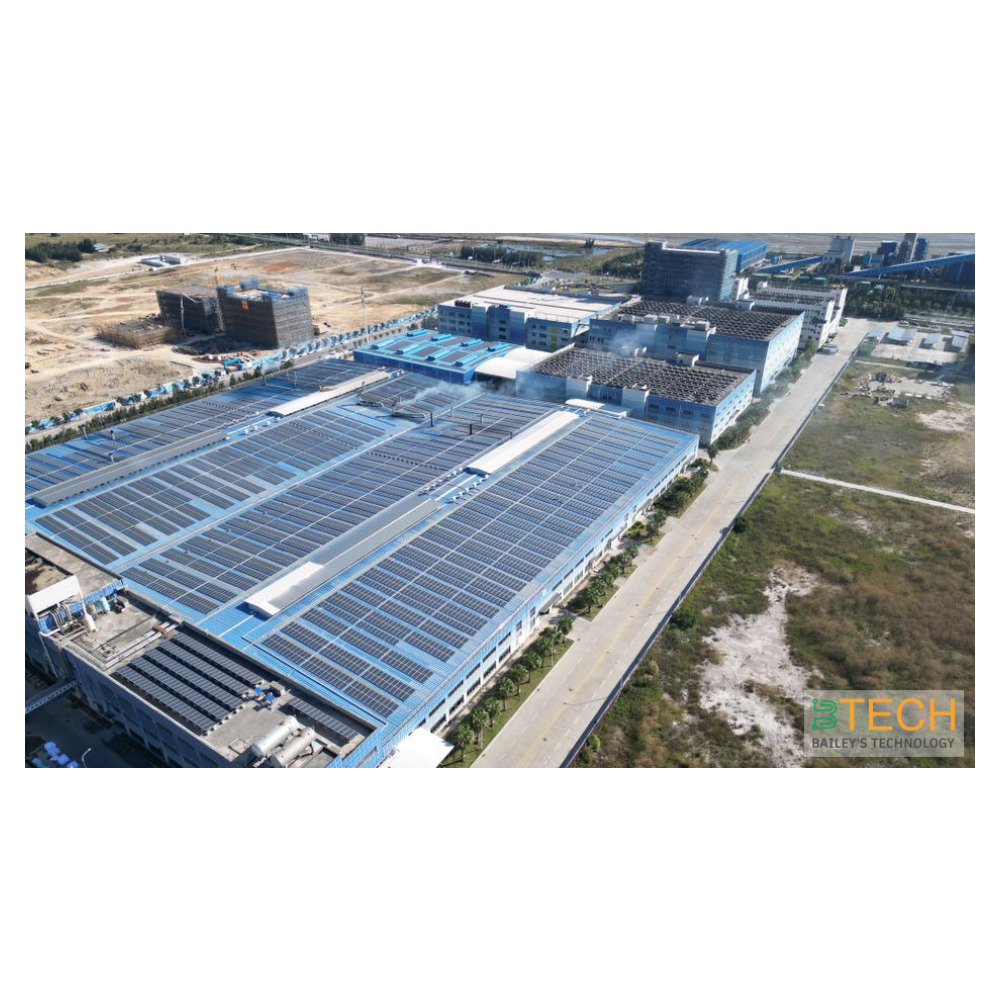

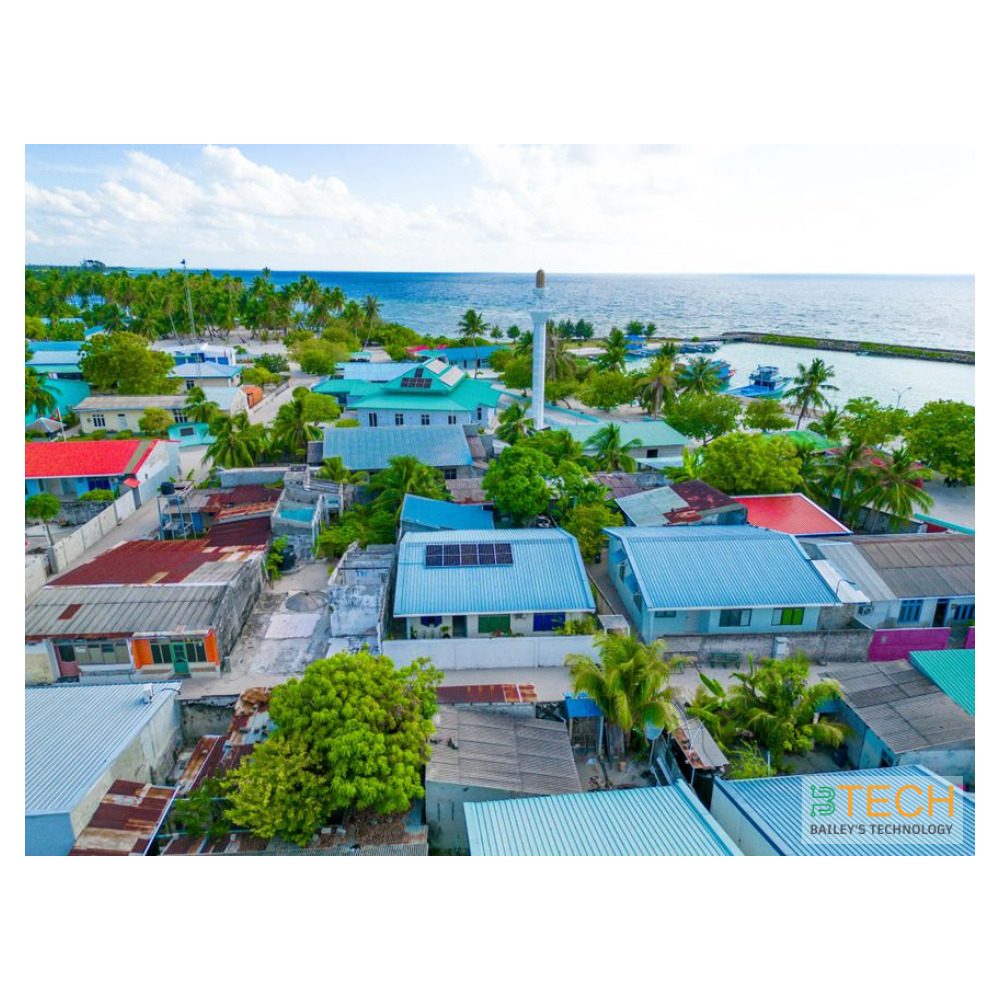
A grid tie solar system in Jamaica connects solar panels to the Jamaica Public Service (JPS) grid, so you use solar power during the day and draw from the grid at night. Under JPS’s net billing programme, excess solar energy your system produces can be exported to the grid for credits on your bill. It is the most common and cost-effective solar setup for Jamaican homes and businesses that already have a JPS connection.
How Grid Tie Solar Works in Jamaica
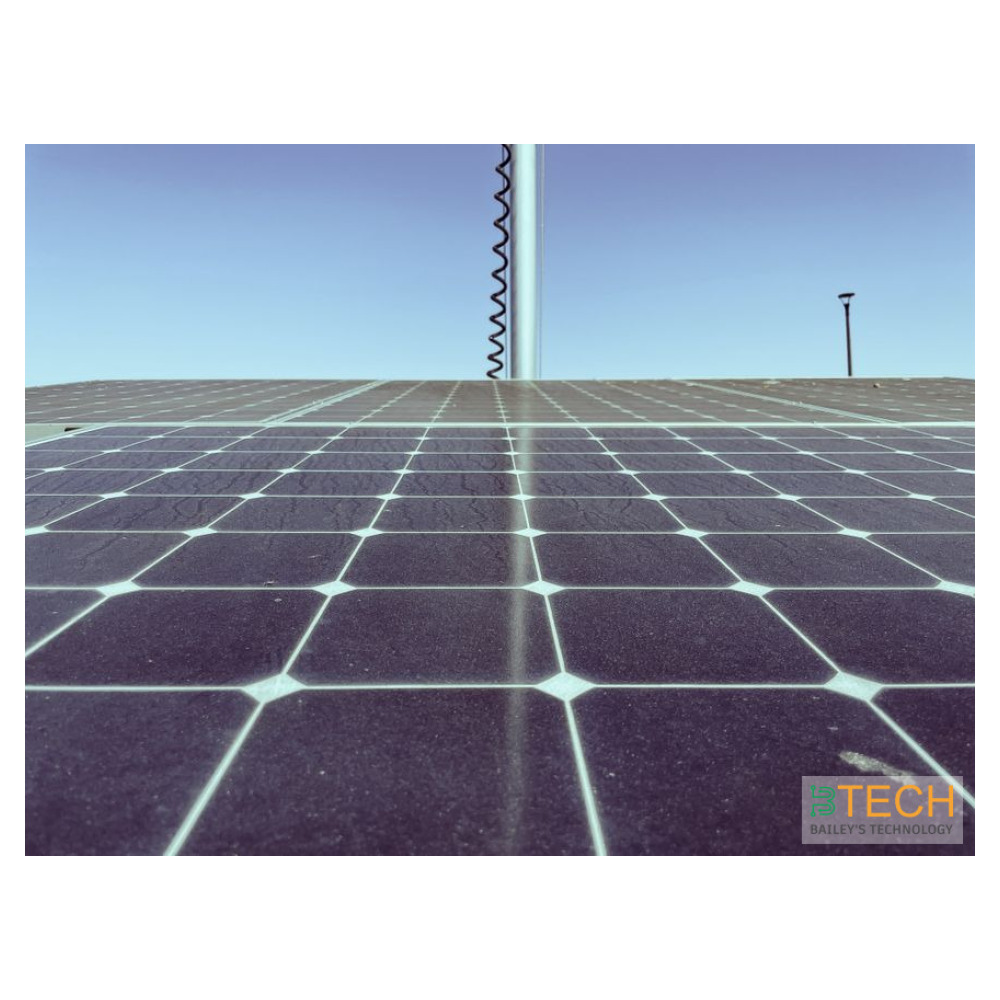
A grid-tied solar system has three main parts: solar panels, an inverter, and a connection to the JPS grid. The panels make direct current (DC) electricity, the inverter converts it to alternating current (AC) for your appliances, and any surplus flows to the grid.
JPS’s net billing programme allows customers with approved systems to send excess power to the grid and receive credits. According to JPS rate schedules and programme guidelines, exported energy is credited at a set rate rather than a full one-to-one offset, so it pays to size your system to match your daytime usage first.
One thing to know: a standard grid-tied system without battery storage shuts down during a JPS outage. That is a safety requirement for line workers. If backup power matters to you, ask about a hybrid system with batteries.
Why Grid Tie Solar Makes Financial Sense in Jamaica
Jamaica’s electricity is expensive. JPS rates have historically been among the higher residential rates in the Caribbean, driven largely by imported fuel costs. That makes the savings from solar especially strong.
According to the International Renewable Energy Agency (IRENA), the global cost of utility-scale solar power has fallen dramatically over the past decade, and residential solar costs have followed a similar downward trend. In the Caribbean, a well-sized solar system typically pays for itself in roughly five to eight years, depending on system size, electricity usage, and current rates.
Modern solar panels convert about 20% to 23% of sunlight into electricity, according to manufacturers’ specifications — enough that a modest roof can meaningfully cut a JPS bill.
Grid tie solar in Jamaica can pay for itself in roughly five to eight years, after which the electricity it produces is essentially free for the life of the system.
Grid-tied systems are also simpler and cheaper than off-grid setups because they skip the battery bank. Fewer components mean lower upfront cost and less maintenance.
What to Consider Before Installing
System size and roof space
Size your system around your average monthly JPS usage and the usable area of your roof. A solar installer can model this using your recent bills.
Approvals and interconnection
Grid-tied systems must be approved by JPS before interconnection. Work with an installer who handles the application and inspection process.
Net billing vs. net metering
Jamaica uses net billing, not full net metering. Credits for exported power are typically lower than the retail rate, so using your own solar power directly is where most of the savings come from.
FAQ
Does grid tie solar work during a JPS power outage?
No. A standard grid-tied system without batteries shuts down during an outage for safety. A hybrid system with battery backup can keep essential loads running.
Can I sell excess solar power to JPS?
Under JPS’s net billing programme, approved customers receive credits for excess energy exported to the grid, at a set rate rather than the full retail rate.
How long does a grid-tied solar system last?
Most solar panels carry warranties of around 25 years, and quality inverters typically last 10 to 15 years with proper installation and maintenance.
Ready to see what grid tie solar could save your home or business? Contact BTECH Solar Energy Jamaica today for a free assessment and a system sized to your JPS usage.