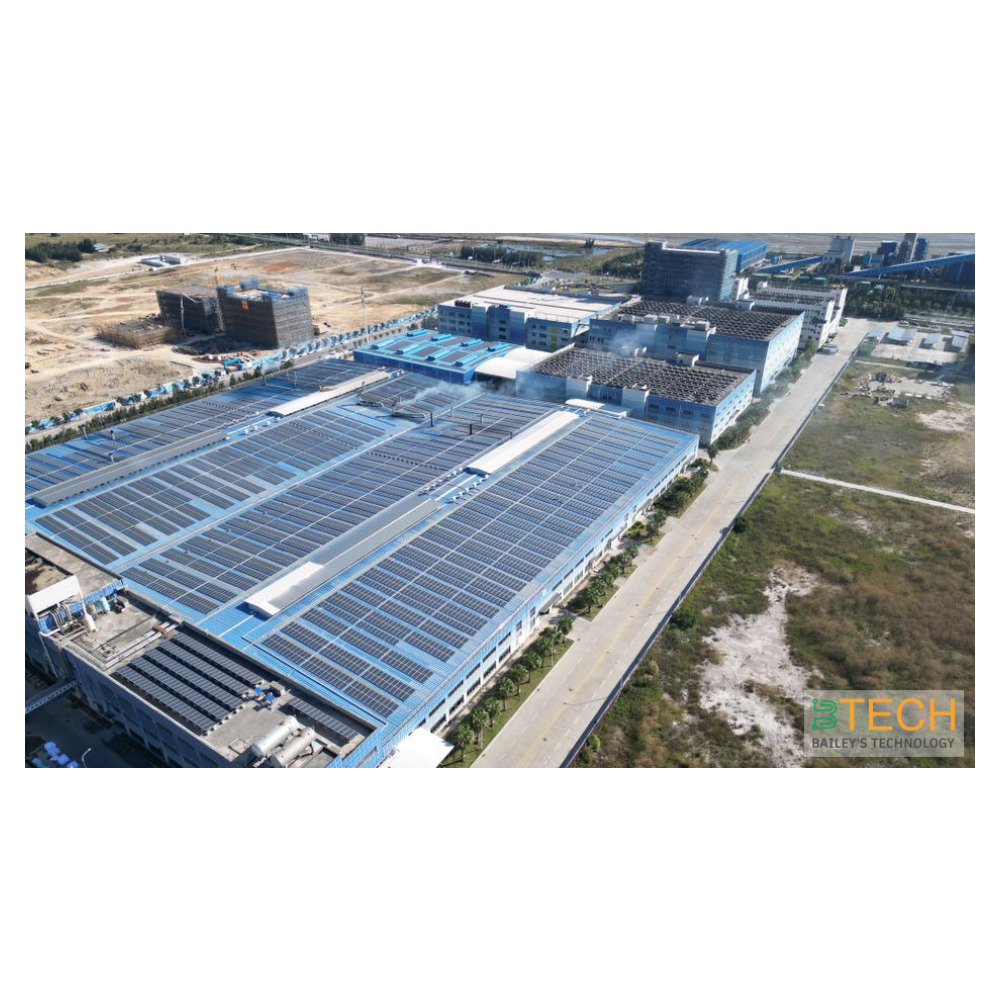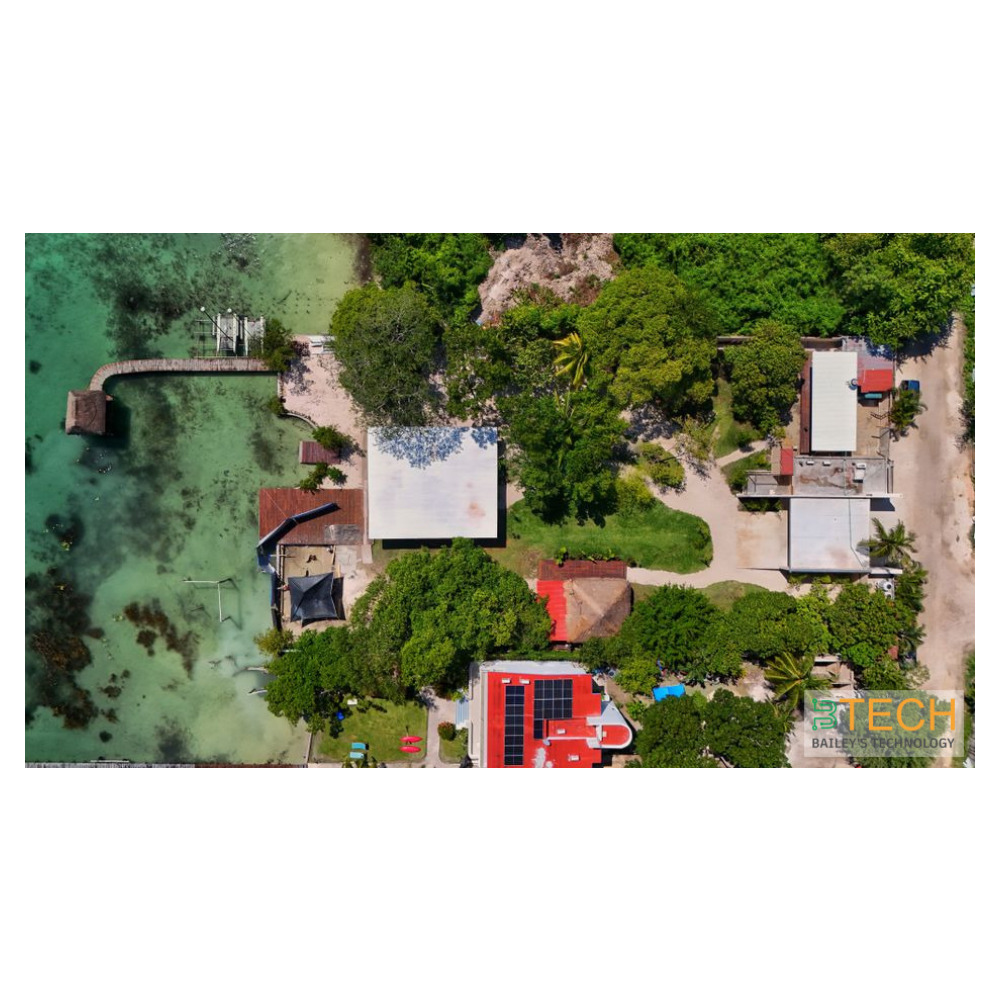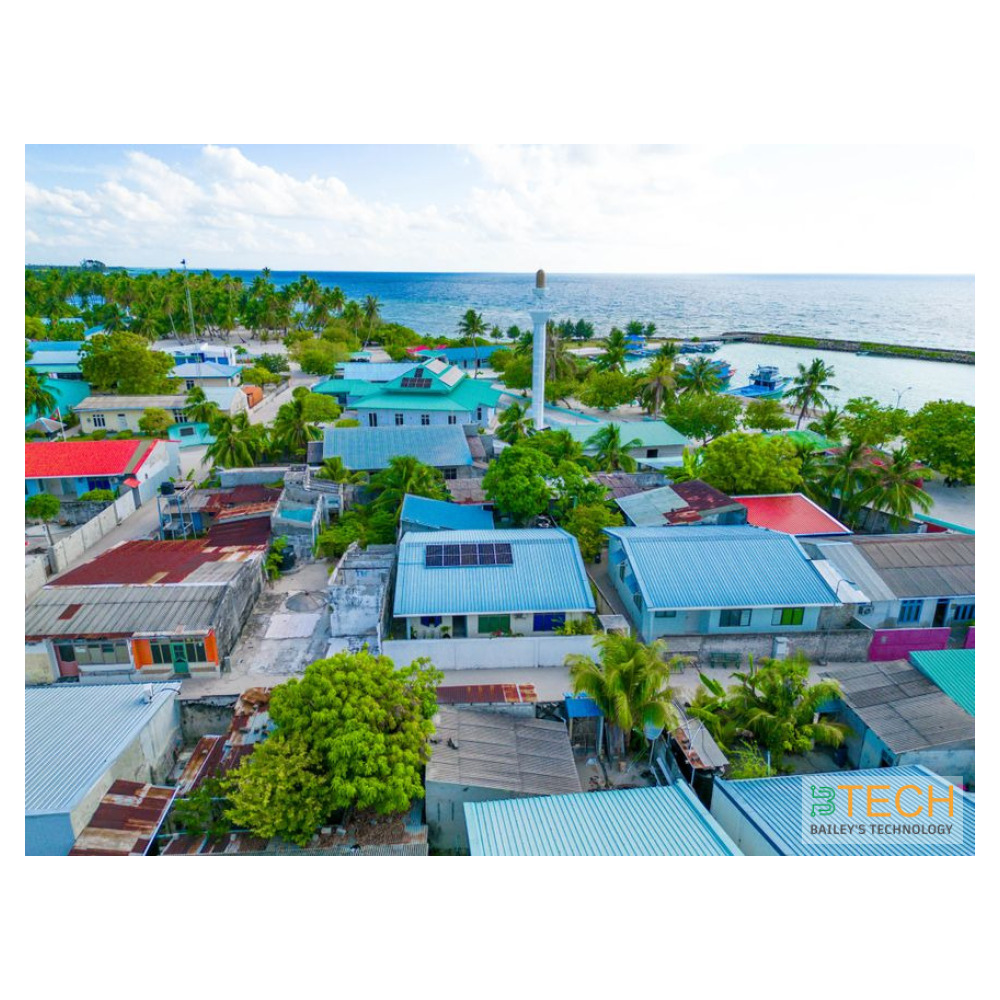

When buying solar in Jamaica, red flags include unusually low prices, high-pressure sales tactics, no physical address, unclear warranties, and reluctance to provide references. These warning signs often indicate unreliable installers who may cut corners, leaving you with a system that underperforms or fails. Knowing what to look for can save you from costly mistakes.
Common Red Flags When Buying Solar in Jamaica
Solar is a significant investment, and Jamaica’s abundant sunshine makes it tempting. But not all solar companies are created equal. Here are key red flags to watch for:
1. Unusually Low Prices
If a quote seems too good to be true, it probably is. Quality solar panels and inverters cost money. According to the International Renewable Energy Agency (IRENA), solar module prices have fallen roughly 80-90% since 2010, but installation and balance-of-system costs still matter. A suspiciously low price may mean inferior equipment or shortcuts in installation.
2. High-Pressure Sales Tactics
Reputable companies don’t pressure you to sign on the spot. Beware of limited-time offers or threats of missing out. Take your time to compare quotes and research the company.
3. No Physical Address or Poor Online Presence
A legitimate solar company should have a verifiable business address and a professional website. Check for reviews on Google and social media. If you can’t find them, that’s a red flag.
4. Vague or Missing Warranty Information
Ask for warranty details in writing. Panel warranties typically range from 10 to 25 years, and inverters around 5-10 years. A company that won’t provide clear warranty terms may not stand behind their work.
5. No References or Case Studies
Ask for references from past customers. A reputable installer will gladly share testimonials and photos of completed projects. If they hesitate, walk away.
6. Unclear Licensing and Certification
While Jamaica doesn’t have a mandatory solar licensing body, certified installers often hold credentials from organizations like NABCEP (North American Board of Certified Energy Practitioners). Ask about their training and certifications.
7. Lack of Detailed Site Assessment
A proper solar installation requires a site assessment to determine roof condition, shading, and energy needs. If a company gives a quote without visiting your property, be cautious.
8. No Help with Net Billing or Incentives
Jamaica’s net billing program allows you to sell excess energy back to the grid. A good installer will guide you through the application process. According to Jamaica Public Service (JPS) rate schedules, electricity rates have been volatile, making solar an attractive way to stabilize costs. A company that doesn’t mention net billing or incentives may not be up to date.
Always verify a solar installer’s track record and warranty terms—cutting corners on either is the most common red flag in Jamaican solar purchases.
How to Protect Yourself
Do your homework: check reviews, ask for references, and compare at least three quotes. Ensure the contract details equipment brands, warranty terms, and completion timeline. Remember that solar payback periods in the Caribbean typically range from 5 to 8 years, according to industry estimates, so a quality system is a long-term investment.
FAQ
What is the biggest red flag when buying solar in Jamaica?
The biggest red flag is a price that is significantly lower than competitors without a clear explanation, as it often signals inferior equipment or poor workmanship.
How can I verify a solar company in Jamaica?
Check for a physical address, read online reviews, ask for references, and confirm they are registered with the Companies Office of Jamaica.
What warranty should I expect on solar panels?
Most solar panels come with a 10- to 25-year performance warranty, while inverters usually have 5- to 10-year warranties. Always get warranty terms in writing.
Ready to go solar with confidence? Contact BTECH Solar Energy Jamaica for a free consultation and a no-obligation quote. Our certified installers will guide you through every step.