
Yes, solar can run a shop in Jamaica. A properly sized solar system with battery storage can power lights, freezers, computers, and point-of-sale systems during daylight hours, and batteries can keep essential equipment running through JPS outages. Most Jamaican shops use a grid-tied solar-plus-battery setup, which cuts electricity bills while keeping grid power as a backup.
How Solar Powers a Jamaican Shop
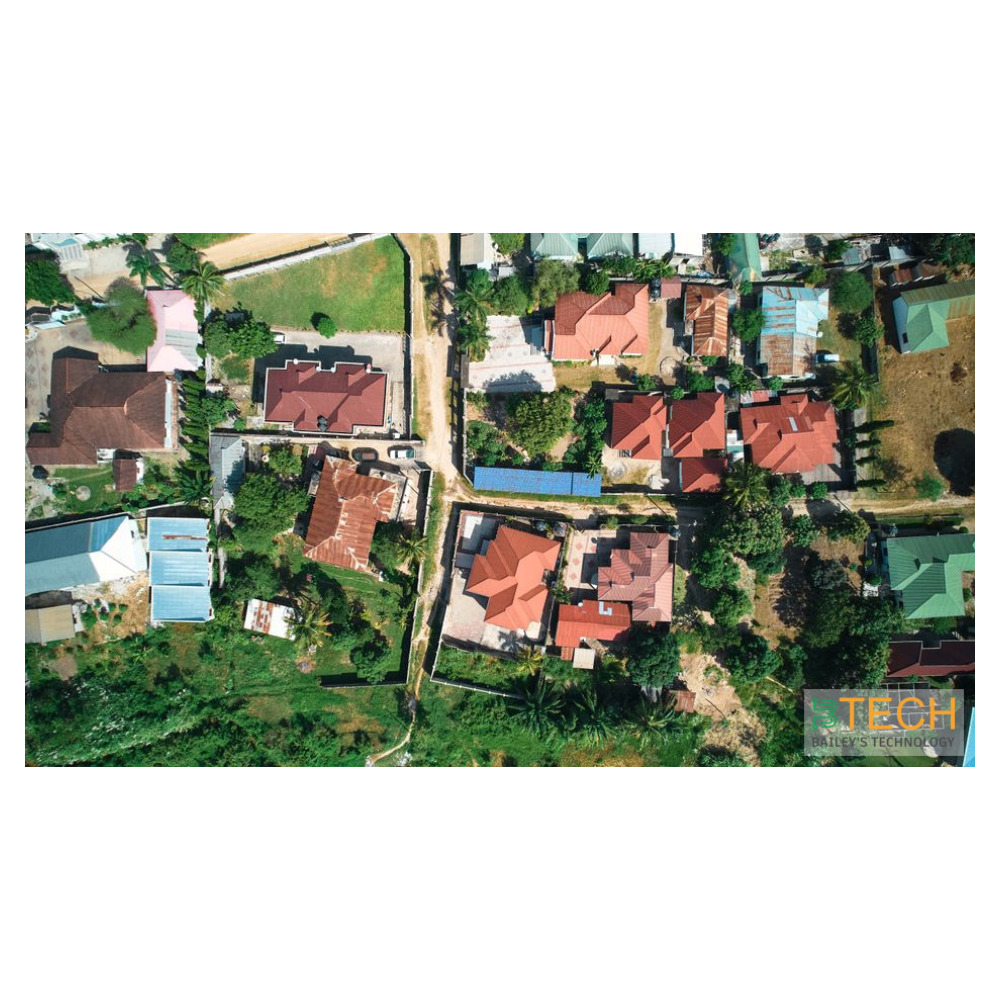
Solar panels on your roof convert sunlight into electricity. An inverter turns that into usable power for your shop, and any surplus charges a battery or feeds back to the grid (where allowed). According to the Jamaica Public Service (JPS) rate schedules, commercial electricity rates have risen over the past decade, making solar an attractive hedge against future increases. A grid-tied system lets you draw from JPS at night or on cloudy days, so you are never without power.
For a small shop—say a grocery or hardware store—a 5 kW to 10 kW solar system is common. That size can cover a significant portion of daytime consumption. Larger businesses like supermarkets or manufacturing operations may need 20 kW or more. A professional site assessment is essential to size the system correctly.
Costs, Savings, and Payback
The cost of solar has fallen sharply worldwide. According to the International Renewable Energy Agency (IRENA), the global cost of utility-scale solar PV has dropped roughly 90% since 2010. In the Caribbean, where electricity rates are among the highest in the world, solar payback periods are often shorter than in the US or Europe. For many Jamaican businesses, a well-designed solar system can pay for itself in about 4 to 7 years, depending on usage and system size. After that, the electricity is essentially free (aside from maintenance).
Modern solar panels typically convert 18% to 22% of sunlight into electricity, according to the National Renewable Energy Laboratory (NREL). That means you need less roof space than you might think. A 10 kW system might require around 600 to 700 square feet of unshaded roof area.
In Jamaica, a solar-plus-battery system can cut a shop’s electricity bill by 50% or more while providing backup power during JPS outages. This combination of savings and resilience is why many business owners are making the switch.
What to Consider Before Installing Solar
First, check your roof condition and orientation. Ideally, panels face south with minimal shading. Second, review your JPS bills to understand your daily energy use. Third, decide if you want battery backup for outages or just bill reduction. Finally, choose a certified installer who can handle permits and grid interconnection. Financing options, such as loans or leases, can reduce upfront costs.
FAQ
Can solar run a shop in Jamaica without JPS?
Yes, with a battery bank and enough panels, a shop can run entirely off-grid. However, most businesses stay connected to JPS for backup and to avoid oversized battery costs.
How long does a solar system last?
Most solar panels come with a 25-year performance warranty, and inverters typically last 10 to 15 years. Batteries may need replacement after 8 to 12 years.
Do I need permission to install solar in Jamaica?
Yes, you need approval from JPS for grid interconnection and possibly from local authorities. A reputable installer will handle the paperwork.
Ready to power your shop with solar? Contact BTECH Solar Energy Jamaica today for a free consultation and custom quote. Our team will help you design a system that fits your business and budget.