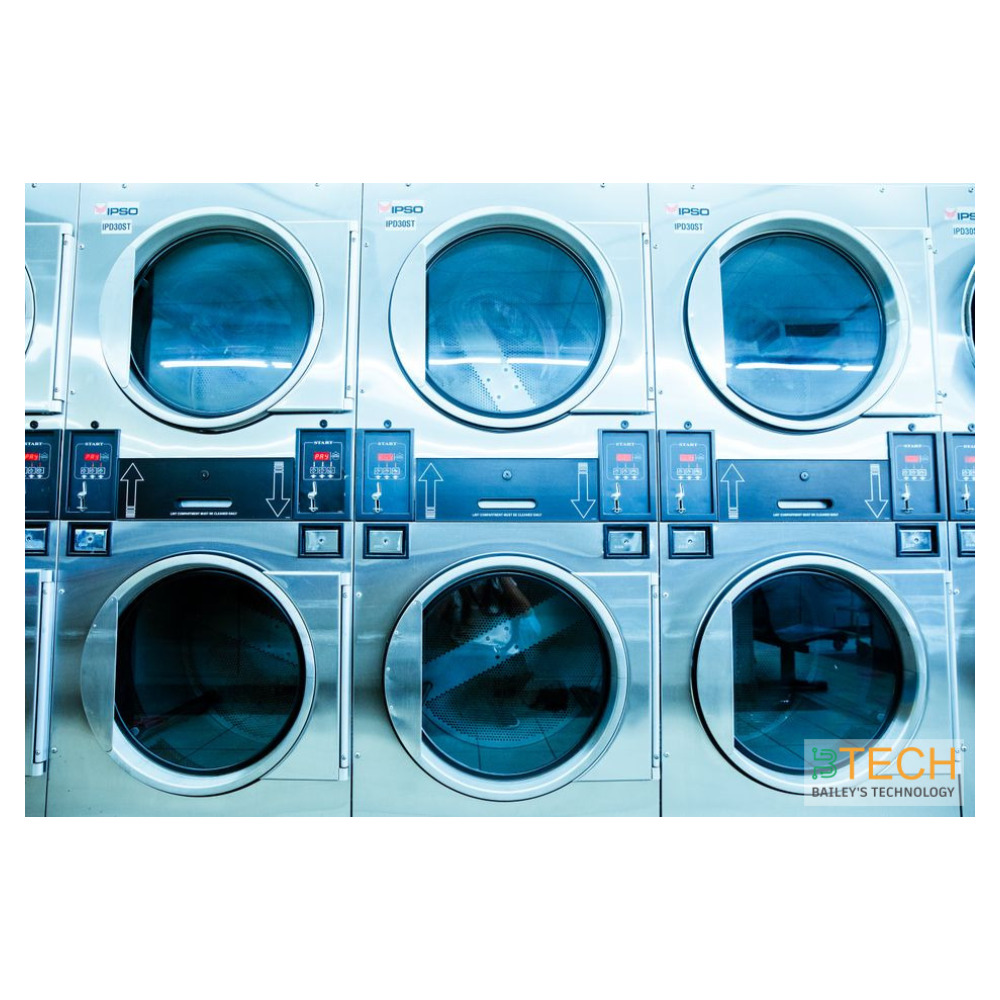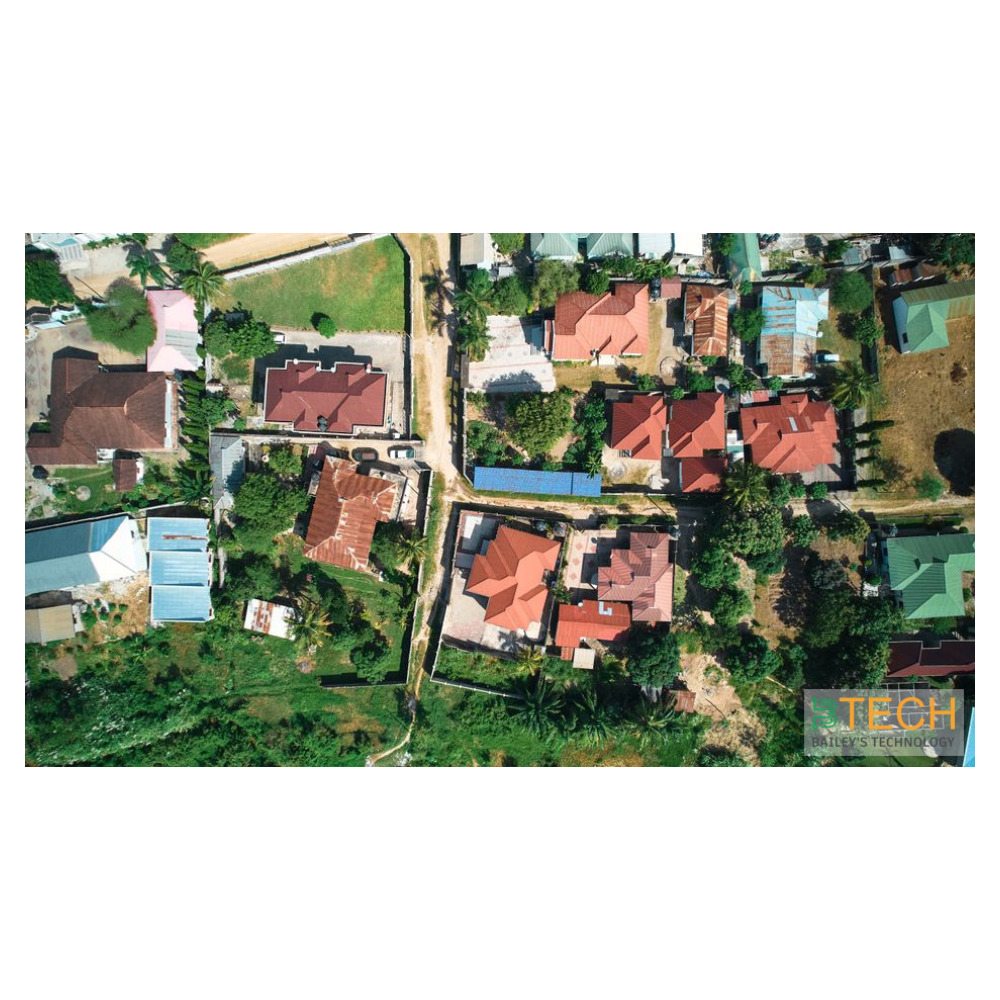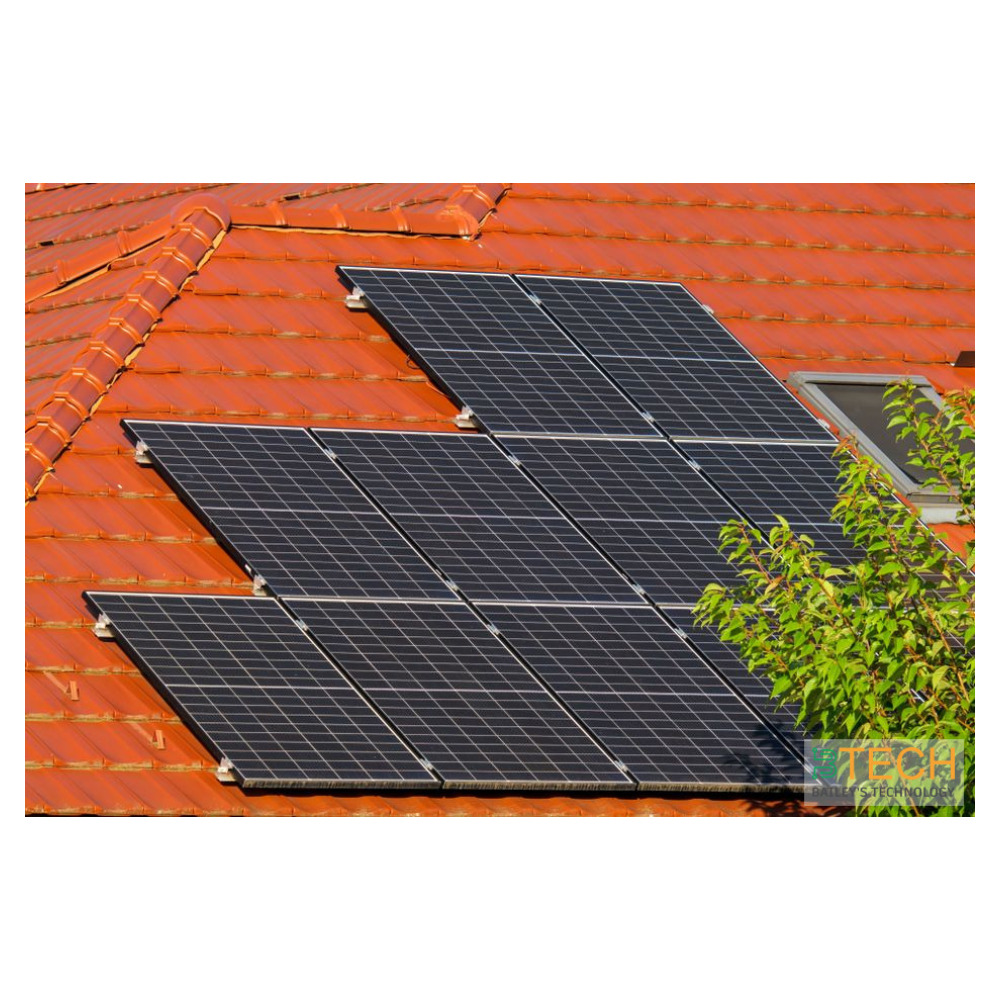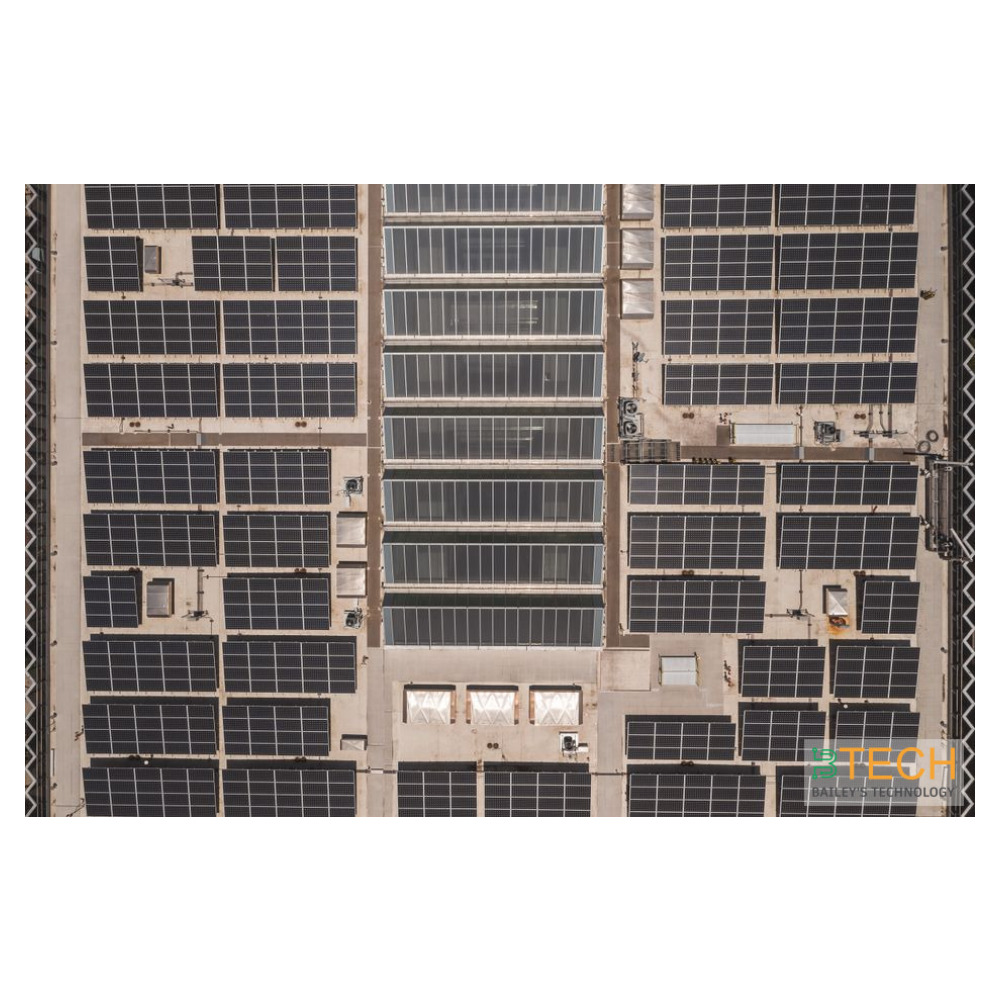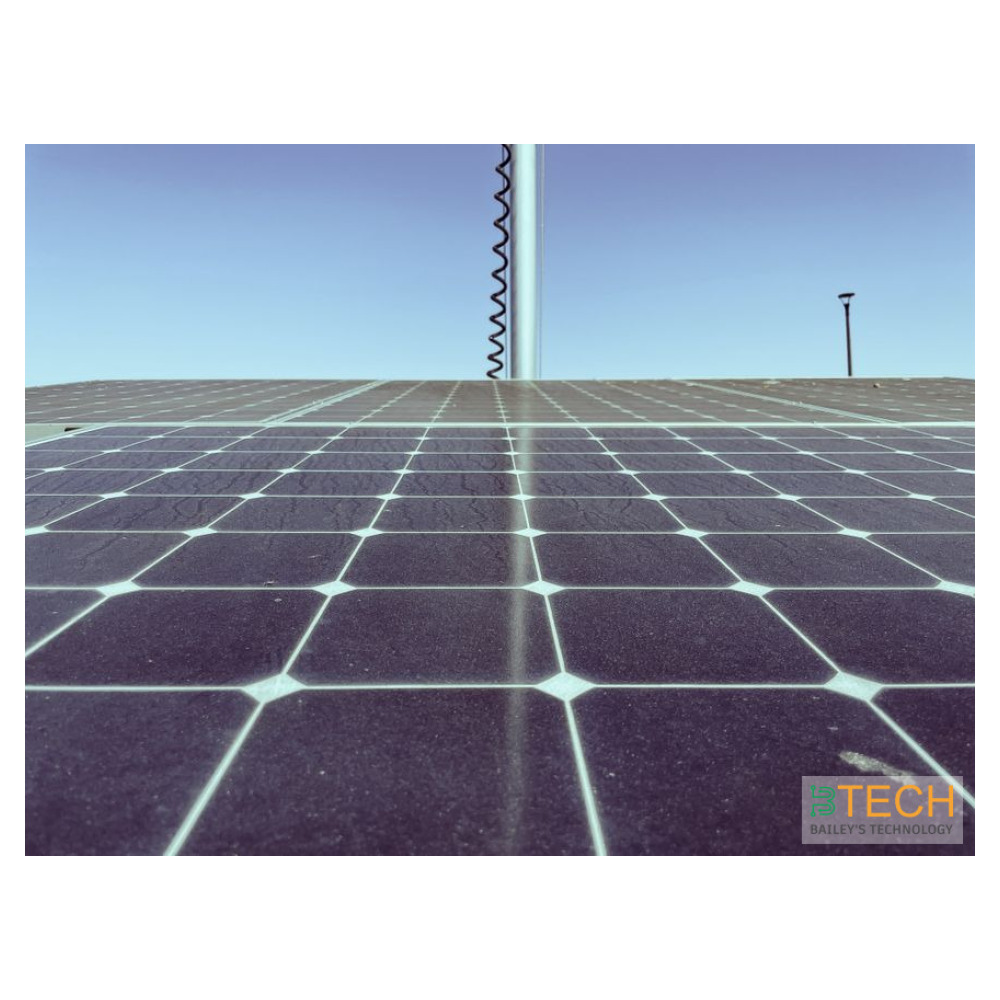

Yes, solar can absolutely run a fridge in Jamaica. A typical Jamaican household fridge uses about 1–2 kWh per day, and a solar system with 1–2 panels (roughly 400–500W each) and a battery bank can power it reliably, even during JPS outages. With Jamaica’s high electricity rates and abundant sunshine, solar-powered refrigeration is a practical and increasingly popular choice for homeowners and businesses.
How Much Solar Power Does a Fridge Need in Jamaica?
The size of your solar setup depends on your fridge’s energy consumption. Modern energy-efficient fridges use 300–600 kWh per year, which averages to about 1–1.6 kWh per day. Older or larger models can use more. To cover this, you’ll need:
- Solar panels: 1–2 panels of 400W each (roughly 1–2 kWh daily generation in Jamaica’s sun).
- Battery storage: At least 2–3 kWh of usable battery capacity to keep the fridge running overnight and during cloudy spells.
- Inverter: A 1–1.5 kW inverter is usually sufficient for a single fridge.
According to the International Renewable Energy Agency (IRENA), solar panel costs have fallen sharply over the past decade, making small-scale systems more affordable than ever. In Jamaica, where JPS electricity rates are among the highest in the region — often above US$0.25 per kWh according to JPS rate schedules — a solar fridge setup can pay for itself in just a few years.
What Are the Benefits of a Solar-Powered Fridge in Jamaica?
Jamaica enjoys abundant sunshine year-round, with average peak sun hours of about 5–6 per day according to energy resource maps from the Solar & Wind Energy Resource Assessment. That makes solar refrigeration highly reliable.
Key benefits include:
- Lower electricity bills: A fridge is one of the biggest energy users in a home, often accounting for 10–20% of total consumption. Solar can slash that cost.
- Backup during outages: A battery-backed solar system keeps food cold when the grid goes down.
- Environmental impact: Solar reduces reliance on fossil fuels, helping Jamaica meet its renewable energy targets.
In Jamaica, a small solar system with just 1–2 panels and a battery can reliably run a typical fridge, cutting a household’s electricity bill and providing backup power during JPS outages.
How to Size a Solar System for Your Fridge
Start by checking your fridge’s energy label (usually in kWh/year). Divide by 365 to get daily usage. Then multiply by 1.3 to account for system losses. For example, a fridge using 500 kWh/year needs about 1.8 kWh daily, so a 1.5 kW solar array and 3 kWh battery bank would be a safe choice.
For businesses with commercial refrigerators or cold rooms, the requirements are larger. A small grocery or restaurant might need 5–10 kW of solar and 10–20 kWh of battery storage. A professional solar installer can perform a load assessment to size the system correctly.
FAQ
Can a solar system run a fridge at night?
Yes, with a battery bank. The solar panels charge the batteries during the day, and the batteries power the fridge at night. A minimum of 2–3 kWh of usable battery capacity is recommended for a typical household fridge.
How many solar panels do I need for a fridge in Jamaica?
For an average fridge using 1–1.6 kWh per day, 1–2 panels of 400W each are sufficient. However, if you want to power other appliances too, you’ll need more panels.
Is solar refrigeration worth it in Jamaica?
Yes. With JPS rates often above US$0.25 per kWh and solar costs declining, a solar fridge setup typically pays for itself in 3–5 years, then provides free electricity for the remaining 20+ year lifespan of the panels.
Ready to power your fridge with the sun? Contact BTECH Solar Energy Jamaica today for a free consultation and custom solar quote. Our experts will help you choose the right system for your home or business.