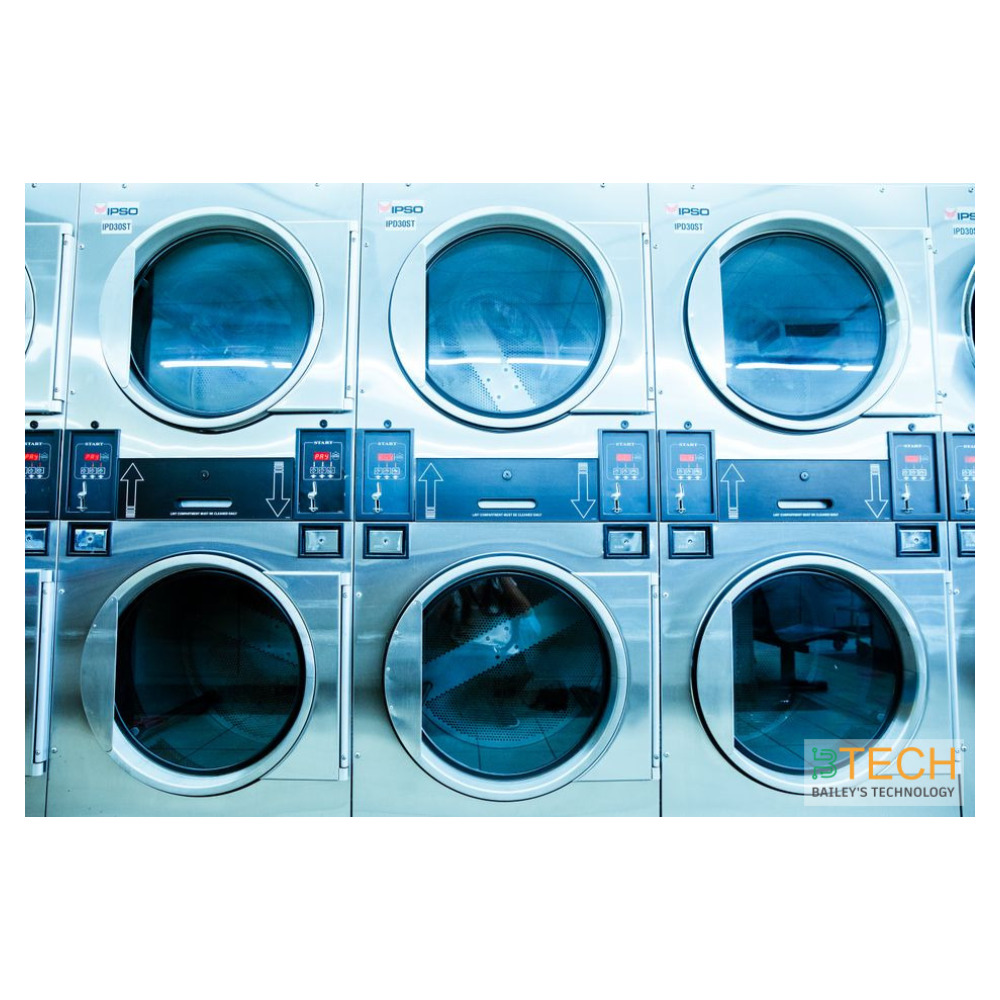

Yes, solar can run a salon in Jamaica. A properly sized solar photovoltaic (PV) system can power all your salon equipment—hair dryers, clippers, air conditioning, lighting, and even washing machines—during daylight hours. With Jamaica’s high electricity rates and abundant sunshine, solar is a practical and increasingly popular choice for salon owners looking to cut operating costs.
Why Solar Makes Sense for Jamaican Salons
Salons are energy-intensive businesses. Hair dryers, air conditioning, and hot water heaters can push monthly electricity bills into the tens of thousands of Jamaican dollars. According to the Jamaica Public Service (JPS) rate schedules, commercial electricity rates have trended upward over the past decade, putting pressure on small business margins. Solar lets you lock in lower energy costs by generating your own power from the sun.
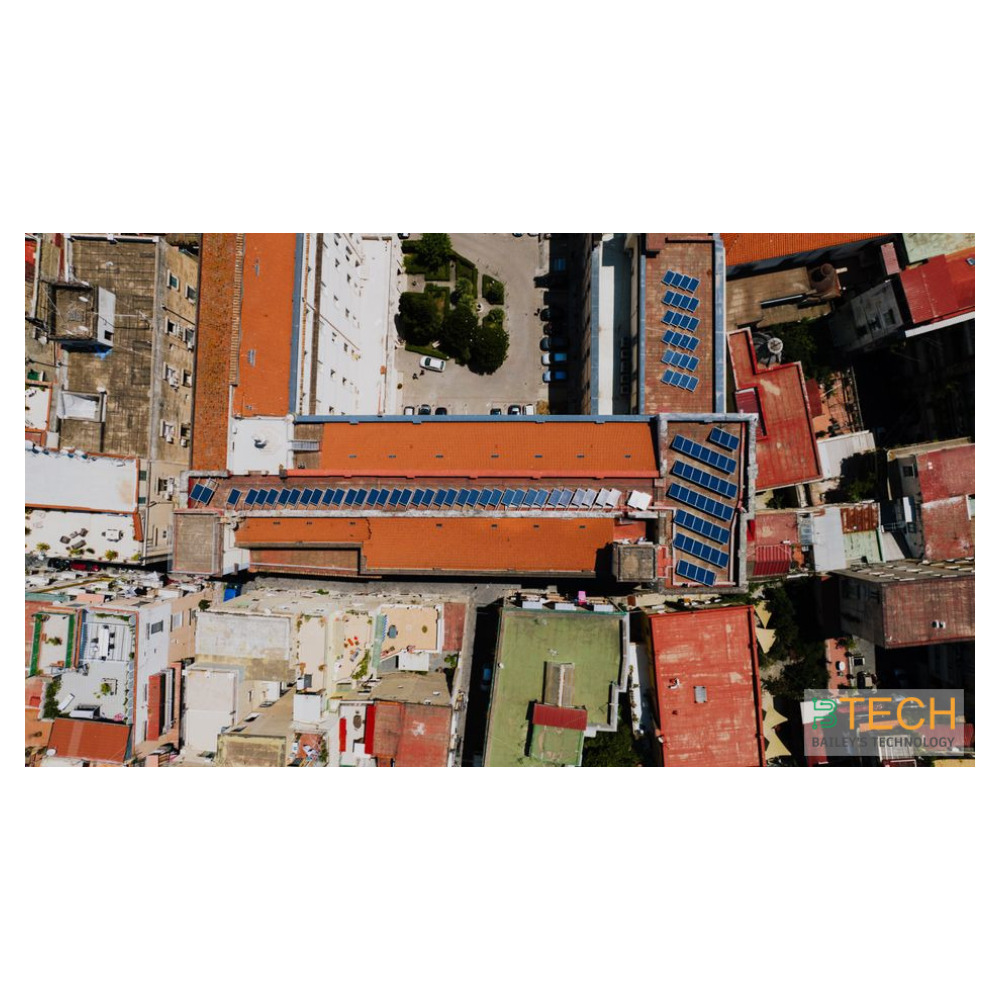
Jamaica receives roughly 5–6 peak sun hours per day on average, according to solar resource data from the National Renewable Energy Laboratory (NREL). That is more than enough to run a salon’s daytime operations. Installing a solar PV system can cut a Jamaican salon’s electricity bill by 50–70% during daylight hours, with typical payback periods of about 5–7 years.
Beyond savings, solar provides energy resilience. JPS outages can disrupt appointments and damage equipment. A solar system with battery backup keeps your salon running smoothly, protecting your revenue and reputation.
What Size Solar System Does a Salon Need?
The right system size depends on your equipment and usage patterns. A small salon with basic tools might need a 3–5 kW system, while a larger full-service salon with multiple dryers and air conditioning could require 8–12 kW or more. A professional energy audit will pinpoint your peak demand and daily consumption.
Key Equipment to Consider
Hair dryers (1,500–2,500 watts), air conditioning (1,000–2,000 watts per unit), clippers and styling tools (50–200 watts), lighting (10–20 watts per fixture), and hot water heaters (2,000–4,000 watts) are the main loads. Solar panels today typically convert 18–22% of sunlight into electricity, according to the International Renewable Energy Agency (IRENA), meaning you need fewer panels than ever to meet your needs.
Battery Storage vs. Grid-Tied
Grid-tied systems without batteries are the most cost-effective, but they shut down during outages. Battery storage adds resilience but increases upfront cost. For salons that cannot afford downtime, a hybrid system with batteries is often the best choice.
Costs, Incentives, and Payback
The cost of solar has fallen dramatically. According to IRENA, the global cost of solar PV electricity has dropped by roughly 90% since 2010. In Jamaica, a typical commercial solar installation might range from US$1,500 to US$2,500 per kW installed, depending on system complexity and battery inclusion. That means a 5 kW system could cost US$7,500–US$12,500 before incentives.
While Jamaica does not currently offer widespread solar tax incentives, net billing programs and financing options can help offset costs. Your payback period depends on your current JPS bill and system size, but many businesses see returns within 5–7 years.
FAQ
Can solar panels run hair dryers and air conditioning?
Yes, a properly sized solar system can run hair dryers, air conditioning, and other salon equipment. The key is sizing the system to match your peak load and daily energy consumption.
How long does it take to install solar for a salon?
Most commercial solar installations take 1–2 weeks, depending on system size and roof complexity. Battery backup systems may take slightly longer.
Do I need a battery for my salon’s solar system?
Not necessarily, but a battery is recommended if you want to keep operating during JPS outages. Without a battery, a grid-tied system will shut down during an outage for safety reasons.
Ready to power your salon with clean, reliable solar energy? Contact BTECH Solar Energy Jamaica today for a free consultation and customized solar solution for your business.