
Yes, solar can run a grocery store in Jamaica. A well-sized solar photovoltaic (PV) system with battery backup can power refrigeration, lighting, point-of-sale systems, and air conditioning—the main energy loads in a grocery store. For most Jamaican grocers, solar covers 60–90% of daytime electricity use and reduces reliance on the Jamaica Public Service (JPS) grid.
Why Solar Makes Sense for Jamaican Grocery Stores
Grocery stores are energy-intensive. Refrigeration runs 24/7, display cases and freezers add load, and air conditioning keeps customers comfortable. In Jamaica, commercial electricity rates from JPS are among the highest in the Caribbean, and they have trended upward over the past decade, according to JPS rate schedules. That makes solar an attractive way to stabilise operating costs.
Solar PV costs have fallen sharply worldwide. According to the International Renewable Energy Agency (IRENA), the global levelised cost of electricity from utility-scale solar PV dropped by roughly 90% between 2010 and 2023. Jamaica gets strong sunlight year-round—typically 5–6 peak sun hours per day—so panels here produce well.
A typical commercial solar payback period in the Caribbean is about 5–8 years, depending on system size, battery needs, and current JPS rates. After payback, the electricity is essentially free for the remaining 20+ years of the system’s life.
What a Solar System for a Grocery Store Looks Like
Key Components
A commercial solar setup for a grocery store usually includes:
- Solar panels (often 400–550 watts each, with 20–25% efficiency)
- Inverters to convert DC to AC power
- Battery storage (lithium-ion) to keep refrigeration running during outages or at night
- Monitoring system to track production and consumption
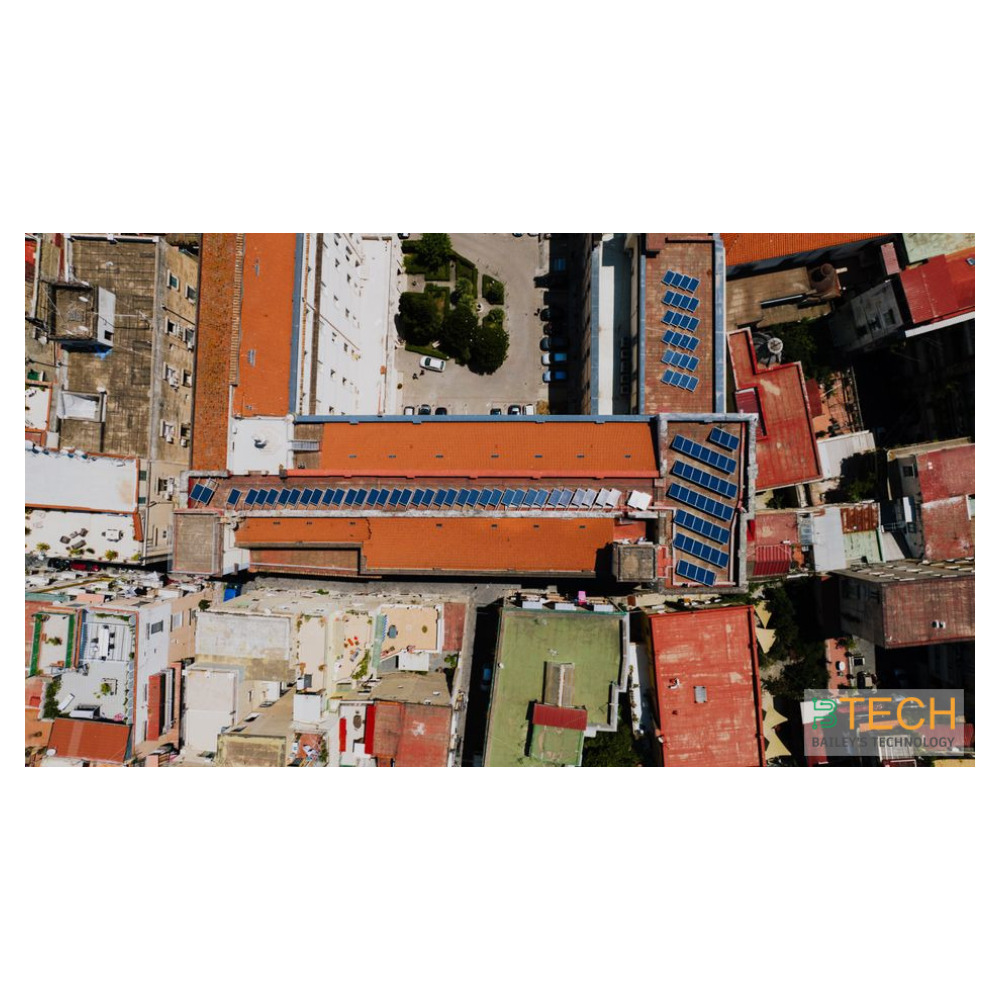
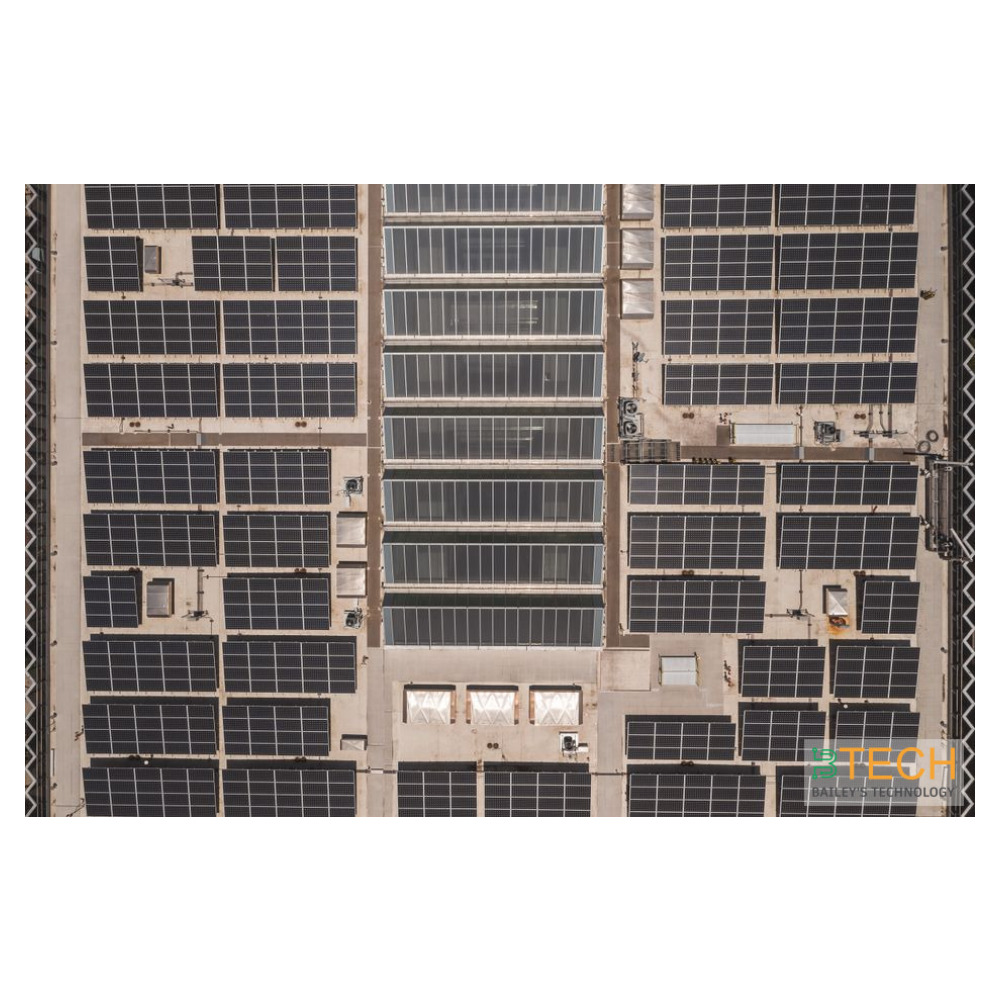
Rooftop space is often plentiful on grocery buildings, but shading and structural strength must be checked. Ground-mounted or carport solar can be alternatives.
Sizing and Load Management
A small grocery might need 10–20 kW of solar; a large supermarket could need 100 kW or more. The key is an energy audit: list all refrigeration, lighting, and HVAC loads, then size the system to cover daytime demand and critical backup. LED lighting and efficient display cases reduce the solar needed.
For most Jamaican grocery stores, a solar-plus-battery system can cut electricity bills by 50–70% and pay for itself in about 5–8 years, after which the power is essentially free.
Things to Consider Before Going Solar
Check JPS interconnection rules if you plan to export excess power (net billing may apply). Ensure your roof can handle panel weight—about 10–15 kg per square metre. Battery choice matters: lithium-ion costs more upfront but lasts longer and needs less maintenance than lead-acid. Also plan for future expansion as EV chargers or more freezers are added.
Financing options include cash purchase, bank loans, or power purchase agreements (PPAs). Some Jamaican suppliers offer leasing. Talk to a certified installer to get a custom design and payback estimate.
FAQ
How much does a solar system for a grocery store cost in Jamaica?
Costs vary widely, but a commercial system typically ranges from roughly US$1,500 to US$2,500 per kilowatt installed before incentives. A 20 kW system might cost US$30,000–US$50,000.
Can solar power refrigeration at night?
Yes, with battery storage. Lithium-ion batteries can keep critical refrigeration running through the night or during JPS outages, though you should size the battery for your essential loads.
Do I need permission from JPS to install solar?
Yes, for grid-connected systems you must follow JPS interconnection procedures. Off-grid or backup-only systems may have different rules—check with JPS and your installer.
Ready to power your grocery store with clean, reliable solar? Contact BTECH Solar Energy Jamaica today for a free consultation and custom solar design. Let’s cut your energy bills and keep your freezers running—rain or shine.