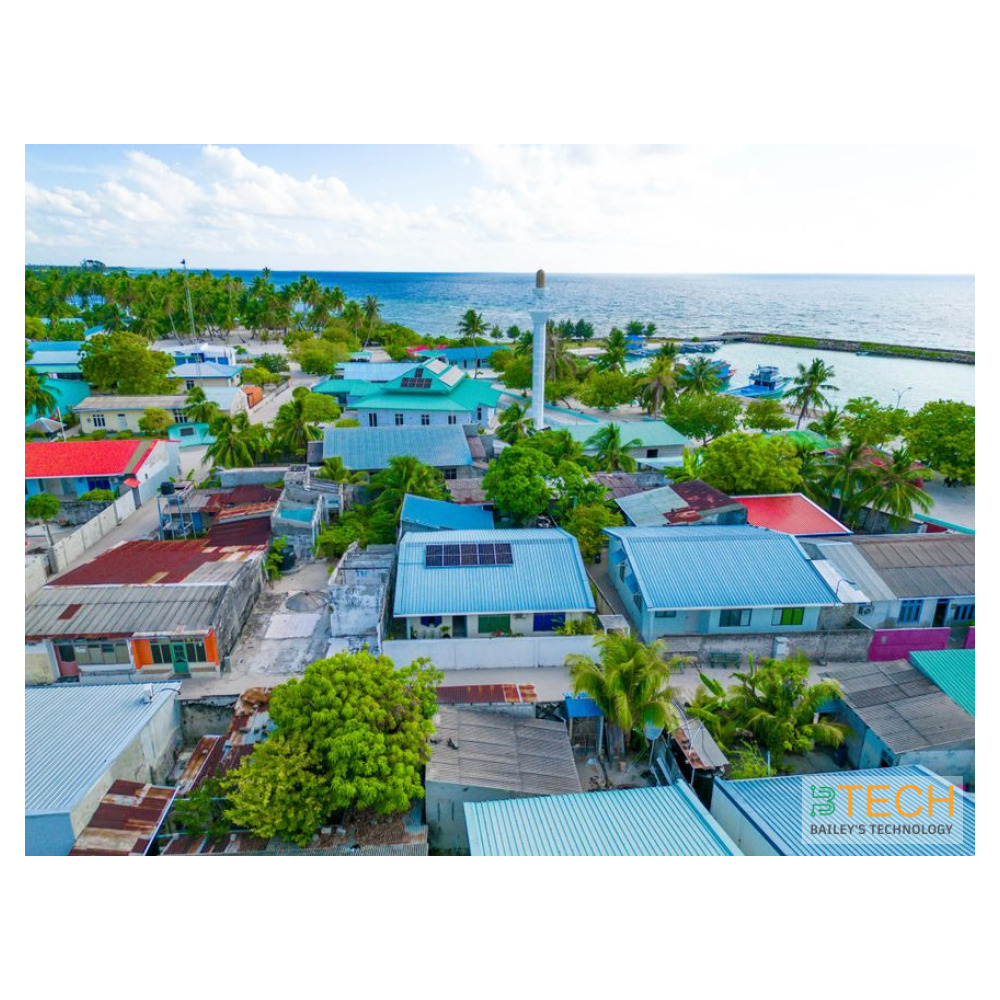

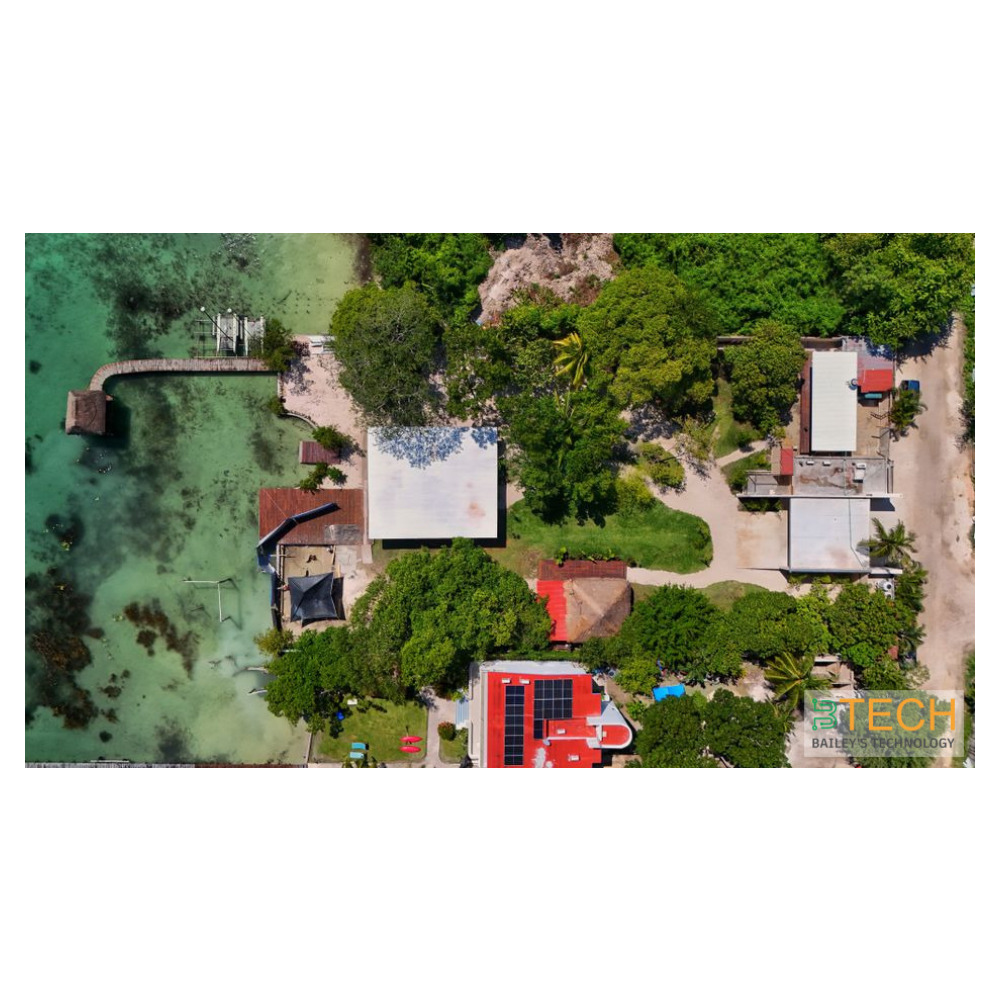
Solar power works in Jamaica by using photovoltaic (PV) panels to convert abundant sunlight into electricity for your home or business. Jamaica receives strong, consistent sunshine year-round, making solar a practical way to cut reliance on the grid and lower electricity bills. A typical rooftop system includes panels, an inverter, and optional batteries, and can pay for itself in roughly 4 to 7 years depending on system size and usage.
How Solar Panels Turn Jamaican Sunshine into Electricity
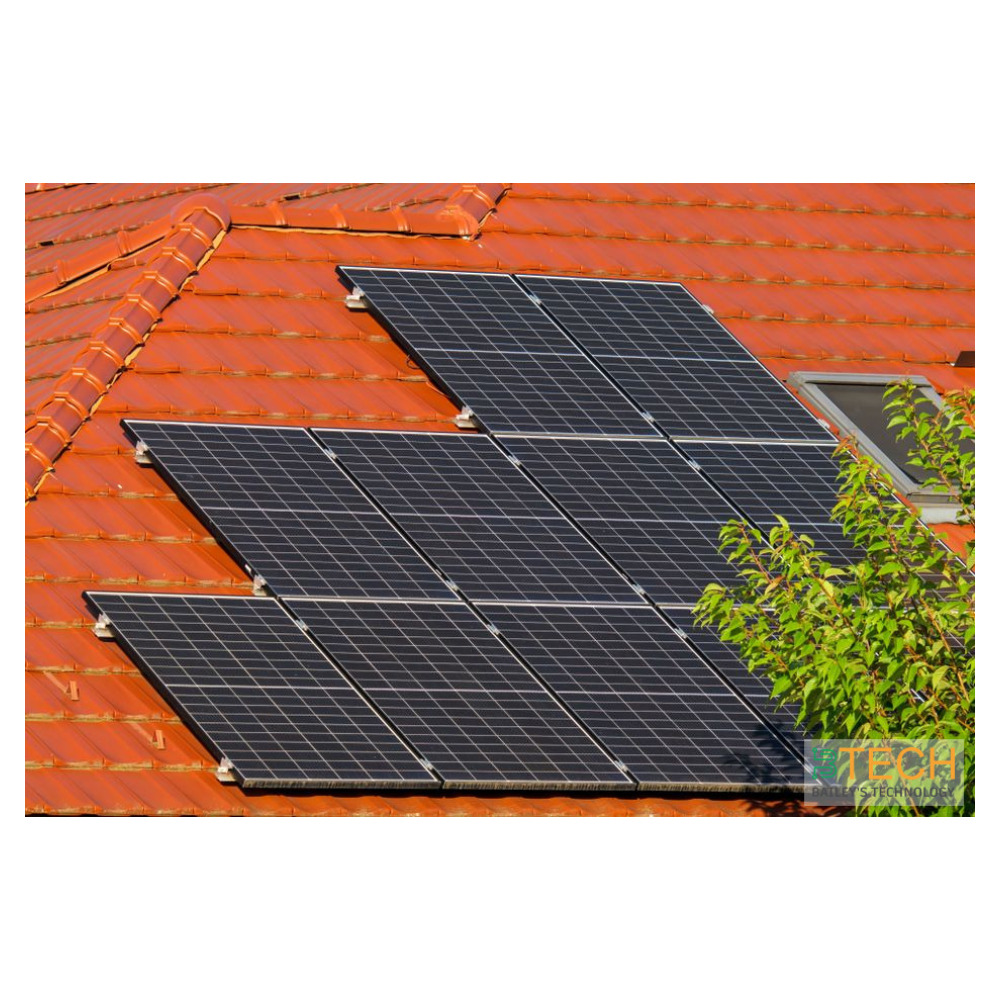
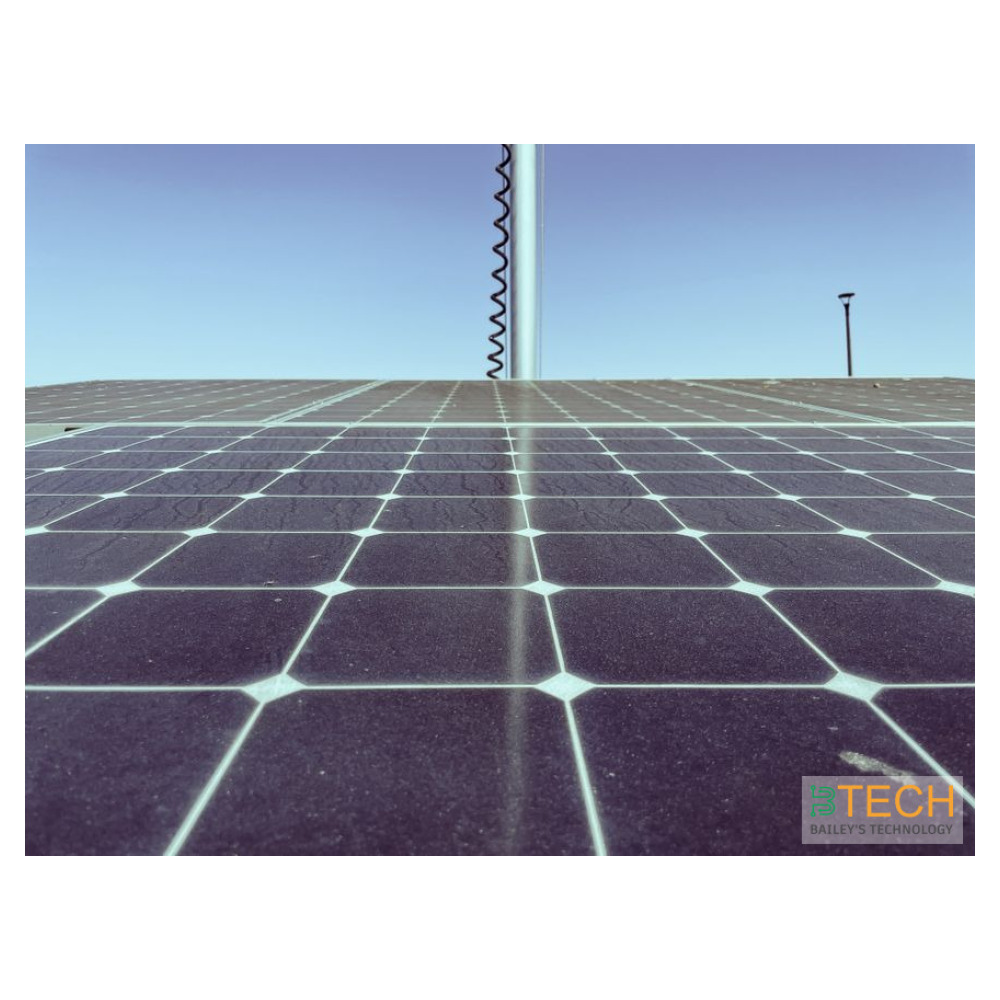
The process is straightforward. Solar panels on your roof absorb sunlight, and the photovoltaic cells inside them generate direct current (DC) electricity. An inverter then converts that DC power into alternating current (AC), which is what your appliances and business equipment use.
Modern panels are efficient: most residential panels convert about 18% to 22% of sunlight into electricity, according to industry data from manufacturers and the International Renewable Energy Agency (IRENA). Jamaica’s high solar irradiance — among the better levels in the Caribbean — means each panel produces more power here than in cloudier regions.
Any excess electricity your system generates can either be stored in batteries for nighttime use or, where net billing arrangements apply, exported to the Jamaica Public Service (JPS) grid for credit. JPS rate schedules show that electricity costs in Jamaica have historically been high compared to many countries, which is a major reason solar pays off faster here.
What a Typical Solar System Includes
Most Jamaican solar installations have four main parts:
- Solar panels — mounted on the roof or ground, facing the sun.
- Inverter — converts DC to AC power.
- Batteries (optional) — store power for nights or outages.
- Mounting and wiring — engineered to withstand tropical weather, including hurricane-season winds.
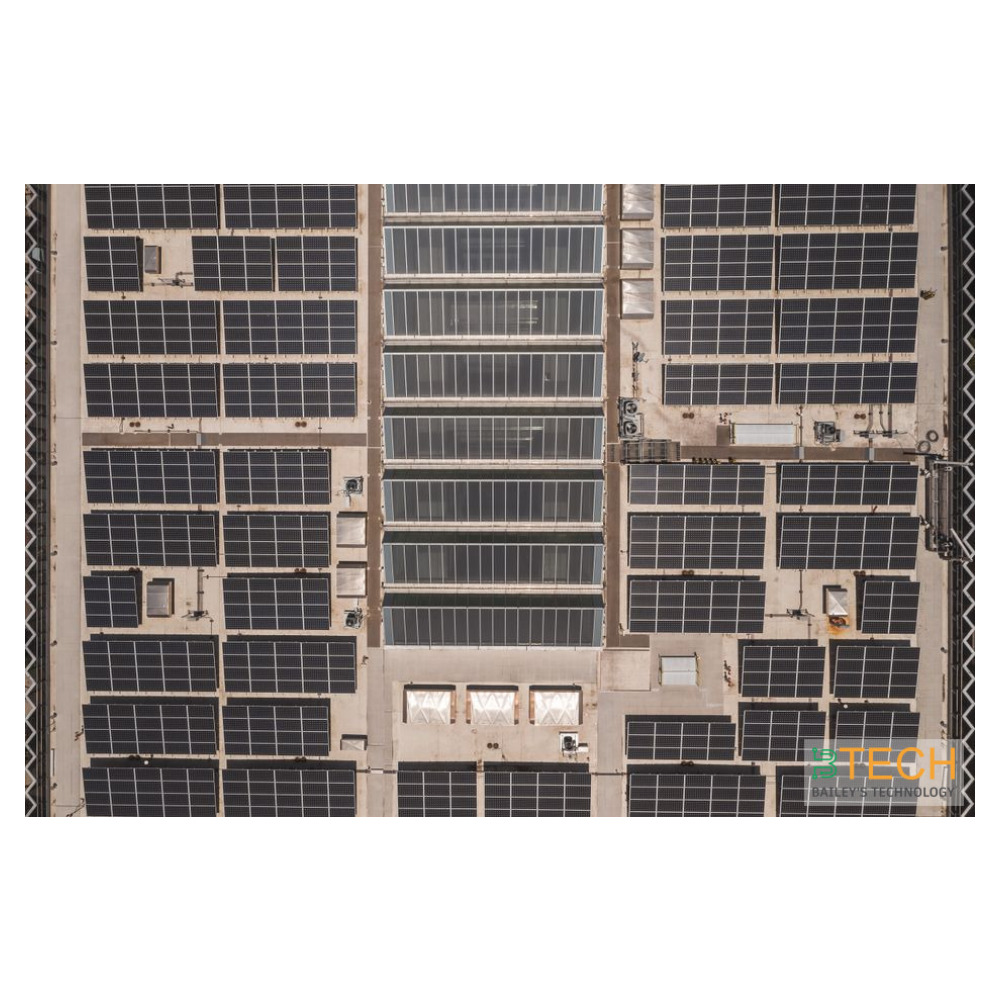
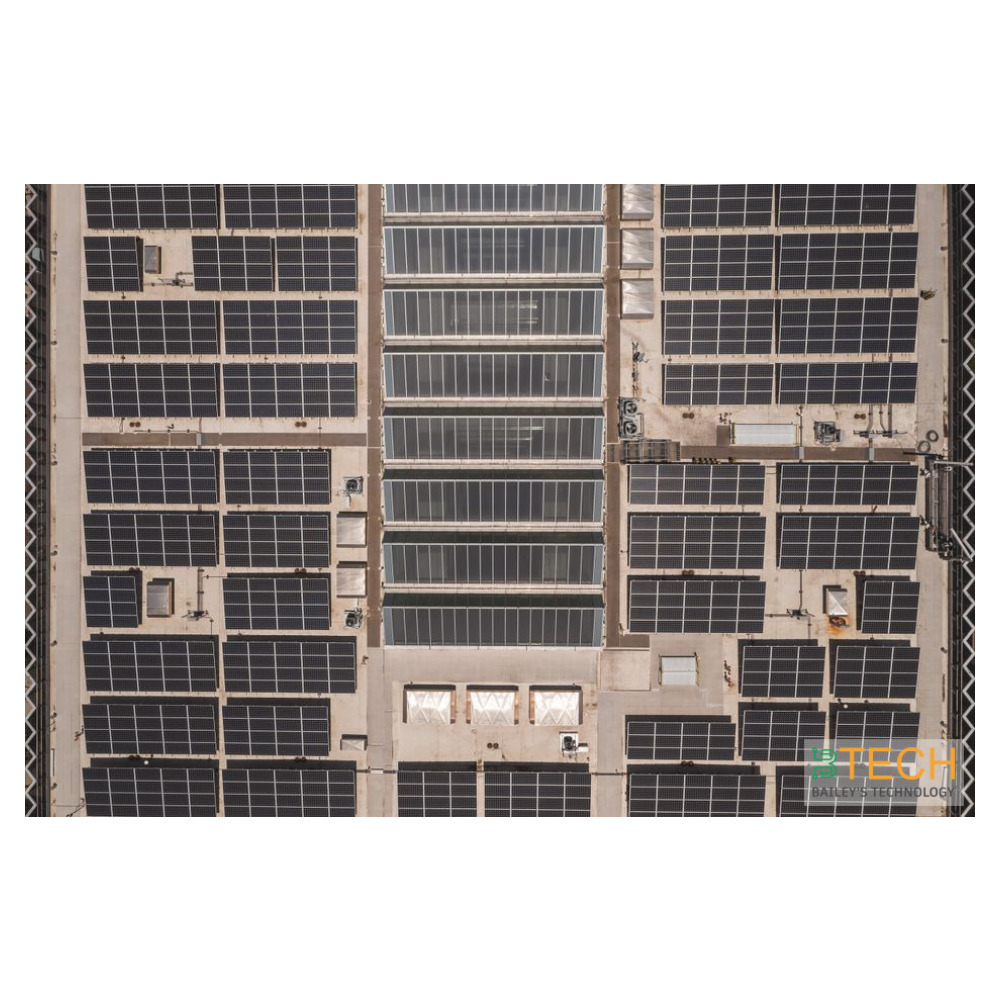
System size depends on your energy use. A small home might need a 3–5 kW system, while a business could require 20 kW or more. A professional site assessment determines the right size.
Why Solar Makes Financial Sense in Jamaica
Solar is increasingly affordable. According to IRENA, the global cost of solar PV electricity has fallen sharply over the past decade — by roughly 80–90% since 2010. That trend has reached the Caribbean, where payback periods of about 4 to 7 years are commonly reported by installers and energy analysts.
Solar panels in Jamaica typically pay for themselves in roughly 4 to 7 years, after which most of the electricity they produce is essentially free for the remaining 20+ years of system life.
That math matters because JPS electricity rates are among the higher residential rates in the region, according to utility rate comparisons. Businesses also benefit: solar reduces operating costs and can support sustainability goals.
FAQ
How much sunlight does Jamaica get for solar?
Jamaica receives strong sunshine year-round, with average daily solar irradiance among the highest in the Caribbean. This means solar panels here generally produce more electricity than in many other countries.
Do solar panels work during rainy season or at night?
Panels still generate some power on cloudy days, though less than in full sun. At night, you rely on batteries or the grid, which is why battery storage is often recommended.
Can I connect my solar system to the JPS grid?
Yes, grid-connected systems are allowed under Jamaica’s net billing framework, subject to JPS approval and proper installation by a qualified provider.
Ready to see how solar can work for your home or business? Contact BTECH Solar Energy Jamaica for a free assessment and a system designed for Jamaican conditions.