
How Does Solar Work in Jamaica?
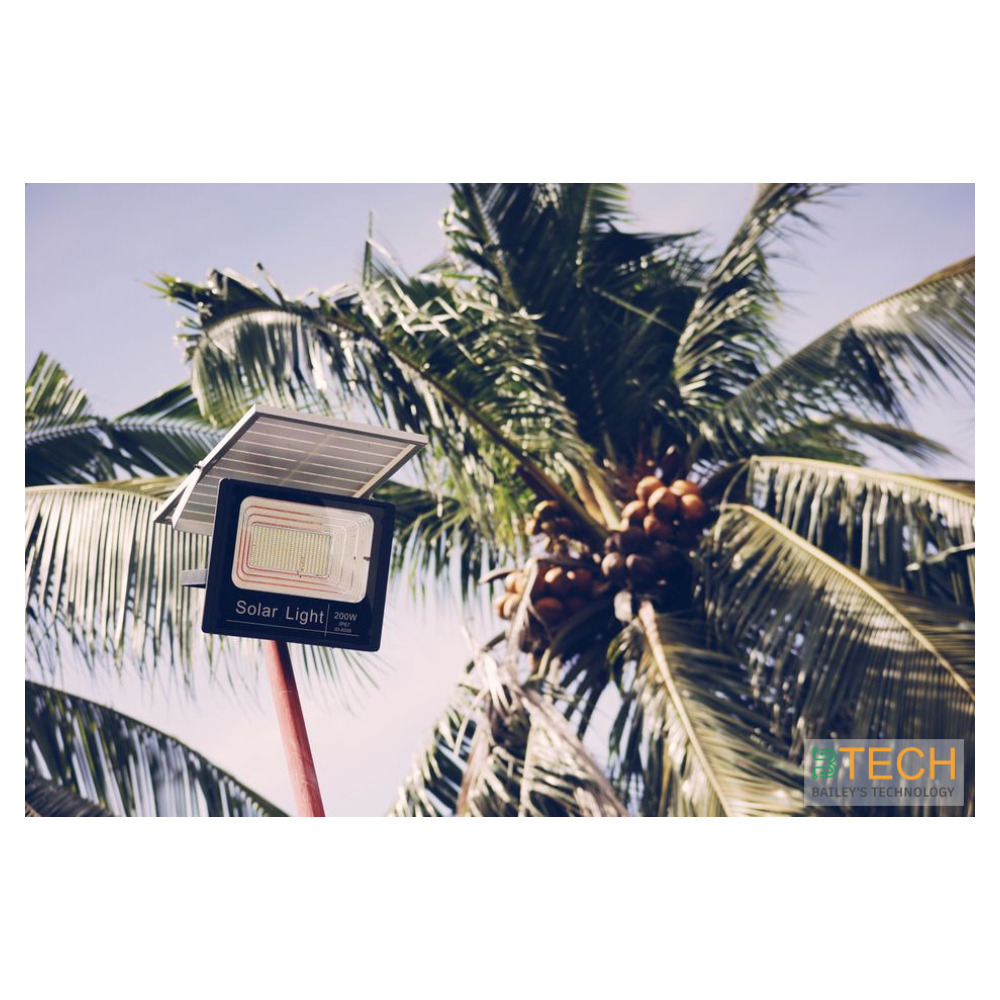
Solar power in Jamaica converts the island’s abundant sunshine into electricity for homes and businesses. Solar panels, typically mounted on rooftops, capture sunlight and convert it into direct current (DC) electricity. An inverter then transforms this DC power into the alternating current (AC) used by your appliances and the national grid. With Jamaica’s tropical climate, solar energy is a reliable and increasingly popular way to reduce reliance on the Jamaica Public Service (JPS) grid and lower monthly bills.
According to the Jamaica Public Service rate schedules, electricity rates have seen a steady increase over the past decade, making solar an even more attractive investment. A typical residential solar system in Jamaica can generate enough power to offset a significant portion of a household’s consumption, often leading to payback periods of 5 to 7 years, depending on system size and usage. As global solar panel costs have fallen by more than 80% since 2010, according to the International Renewable Energy Agency (IRENA), the upfront cost of going solar is more accessible than ever.
What Are the Benefits of Going Solar in Jamaica?
The most immediate benefit of solar power is the reduction in your monthly electricity bill. By generating your own power, you draw less from the grid, directly translating to savings. Over time, these savings can be substantial, especially with JPS rates trending upward. Additionally, solar increases your energy independence, protecting you from rate hikes and potential grid outages.
Beyond financial savings, solar energy is a clean, renewable resource that reduces your carbon footprint. Jamaica has set ambitious renewable energy targets, aiming for 33% of its electricity from renewables by 2030, according to the Government of Jamaica’s energy policy. By installing solar, you’re not just saving money—you’re contributing to a more sustainable future for the island.
What is Net Billing and How Does It Work?
Jamaica’s net billing program allows solar system owners to sell excess electricity back to the grid. When your system produces more power than you use, the surplus is exported to the grid, and you receive a credit on your bill. This arrangement maximizes the value of your solar investment, especially during sunny days when production is high.
How Much Does a Solar System Cost in Jamaica?
The cost of a solar system in Jamaica varies based on size and components. A typical residential system (3-5 kW) might range from US$5,000 to US$10,000 before incentives. However, with global price declines and potential tax incentives, the initial investment is becoming more manageable. Many local providers offer financing options to ease the upfront burden.
Solar power in Jamaica is not just an alternative—it is a smart financial investment that pays for itself through lower electricity bills and increased energy security.
FAQ
Is solar worth it in Jamaica?
Yes, solar is worth it in Jamaica. With plentiful sunshine and rising electricity rates, most systems pay for themselves in under seven years, then provide free electricity for decades.
Can I get a solar loan in Jamaica?
Yes, several local banks and credit unions offer solar loans with favorable terms. Additionally, some providers offer lease or power purchase agreements, making solar accessible with little to no upfront cost.
Ready to Make the Switch to Solar?
At BTECH Solar Energy Jamaica, we make going solar simple and affordable. Our team of experts will assess your energy needs, design a custom system, and handle the installation from start to finish. Contact us today for a free consultation and start saving with the power of the sun.