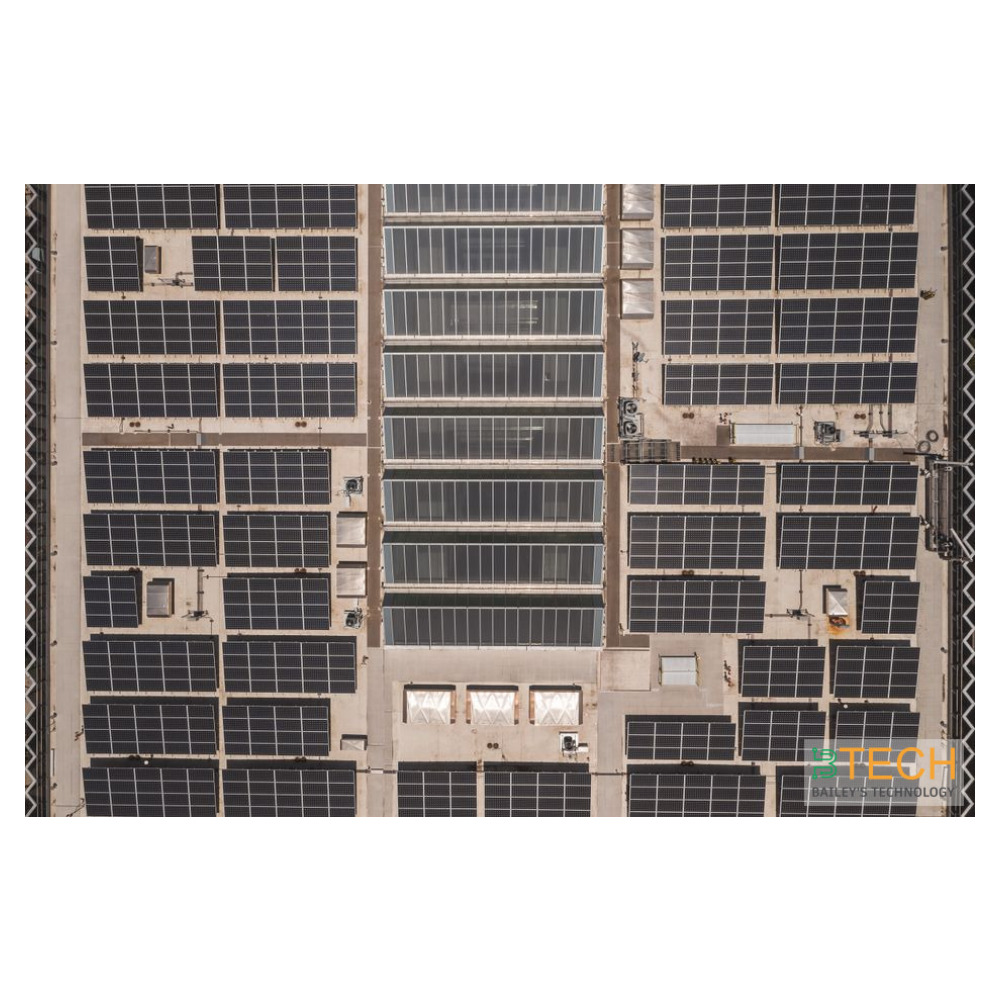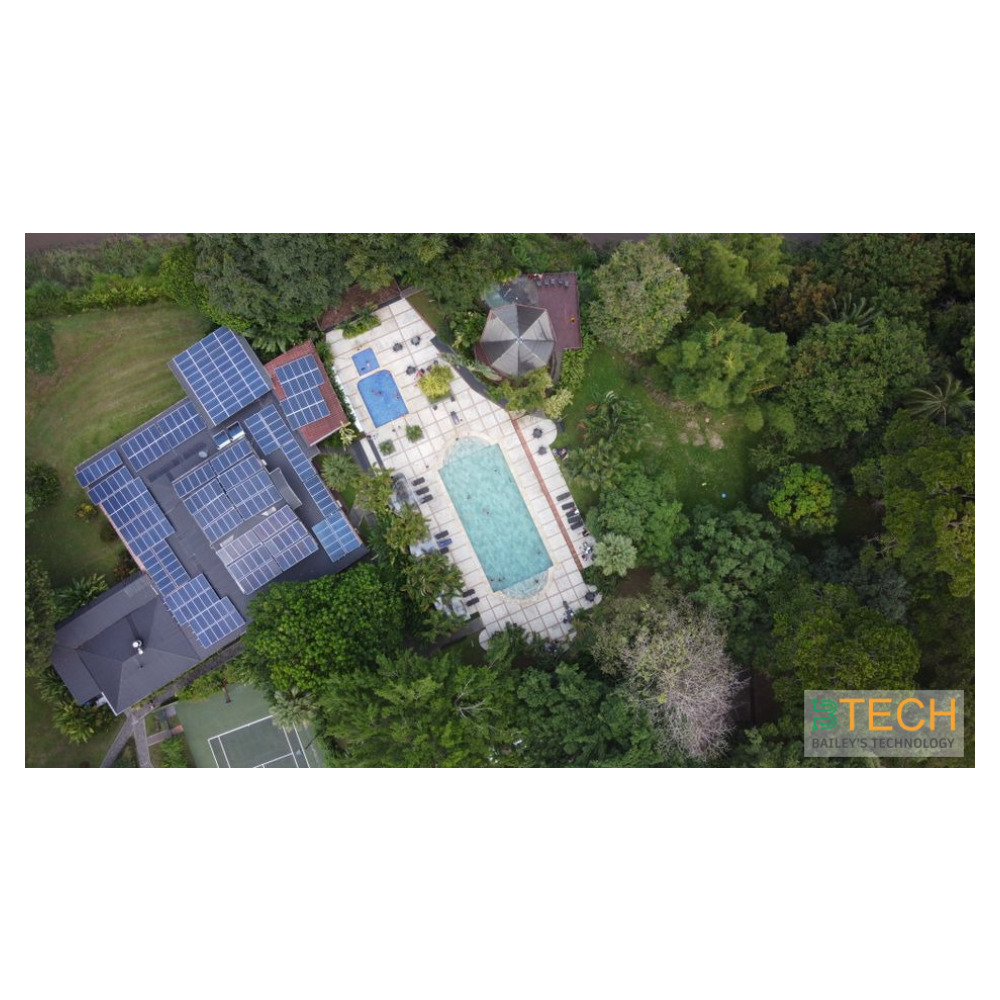


Solar attacks a JPS bill in three stacking layers: panels erase daytime purchases, batteries erase evening purchases, and net billing credits mop up the remainder — which is how 70–90% total reductions become routine.
Layer 1: daytime offset (the big one)
Every kilowatt-hour your panels feed the house is one not bought at retail — historically US$0.30–0.40 all-in. A 6-panel starter array (605W each, J$25,000/panel) already guts the daytime portion of a typical bill; systems start at J$522,000 installed.
Layer 2: evening offset (the battery’s job)
Midday surplus charges a 10–16kWh lithium battery (J$360,000–J$450,000) that then carries the evening peak — fridge, fans, lights, TV — deep into the night. This is where bills drop from “smaller” to “shockingly small.”
Layer 3: export credits
Whatever still overflows exports to JPS under net billing for bill credits. Worth having; never worth designing around — self-consumption pays better per kilowatt-hour.
What is left on the bill
Fixed account charges and whatever grid energy your sizing intentionally leaves (rainy-week margins, oversized loads). Cutting the last 10% costs more than it saves for most homes — the 70–90% zone is the value sweet spot.
FAQ
Can a bill reach zero?
Off-grid: yes, by definition. Grid-tied: near-zero energy charges are achievable; fixed charges remain.
How fast does the offset start?
Day one after commissioning — the meter slows immediately.
What size do I need for my bill?
Free answer: btechj.com/solarestimate or WhatsApp your bill to 876-777-5488.