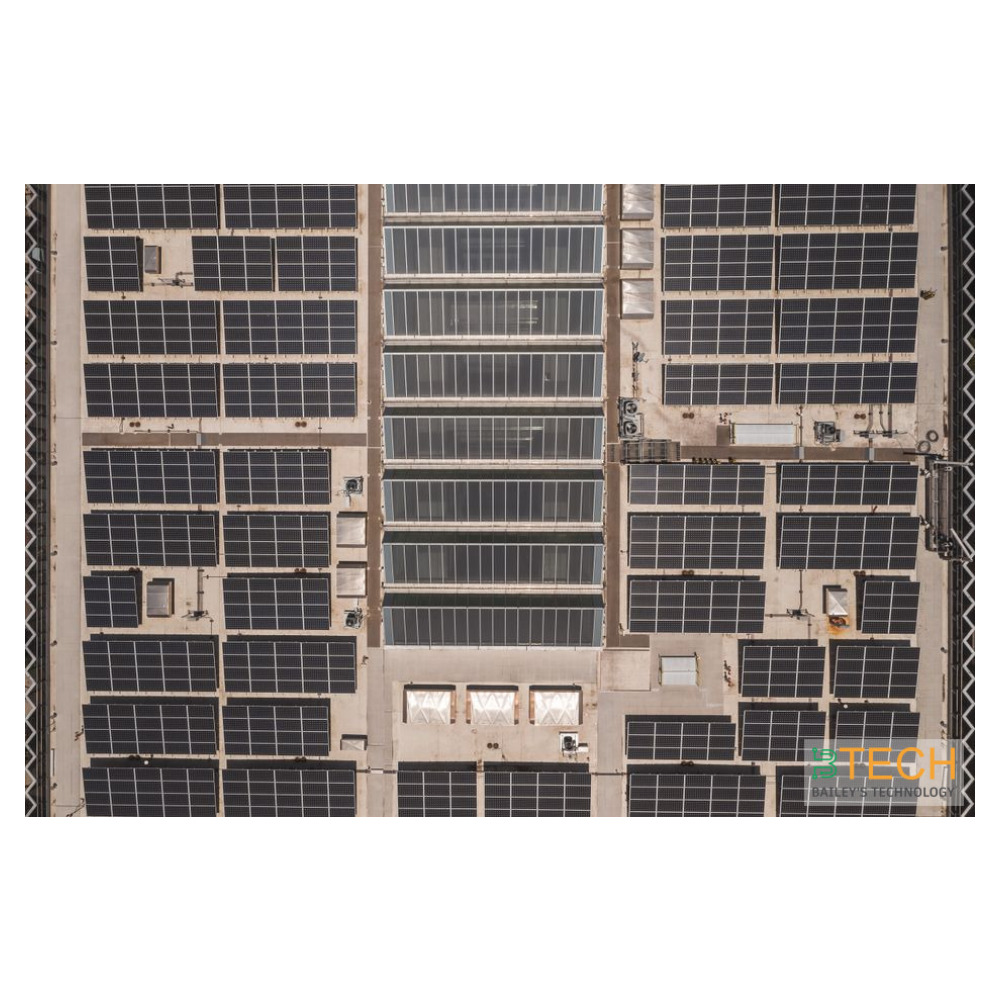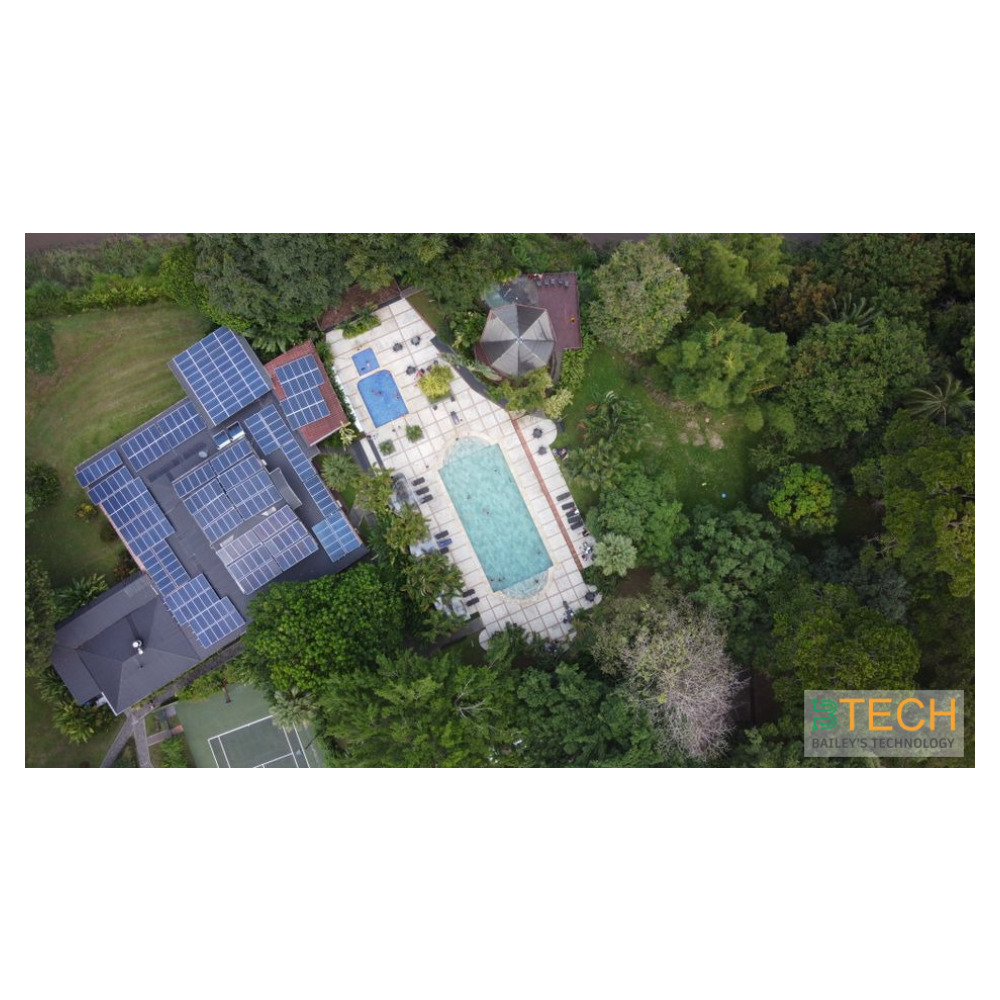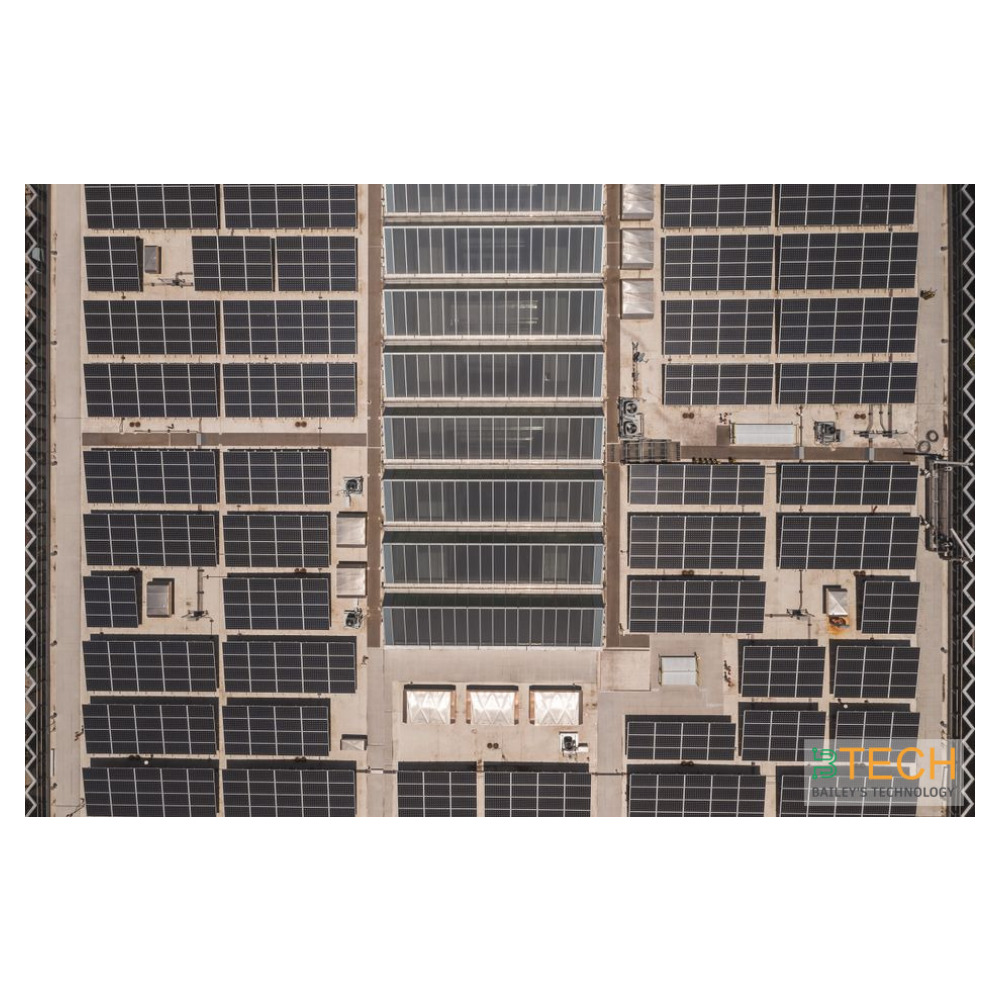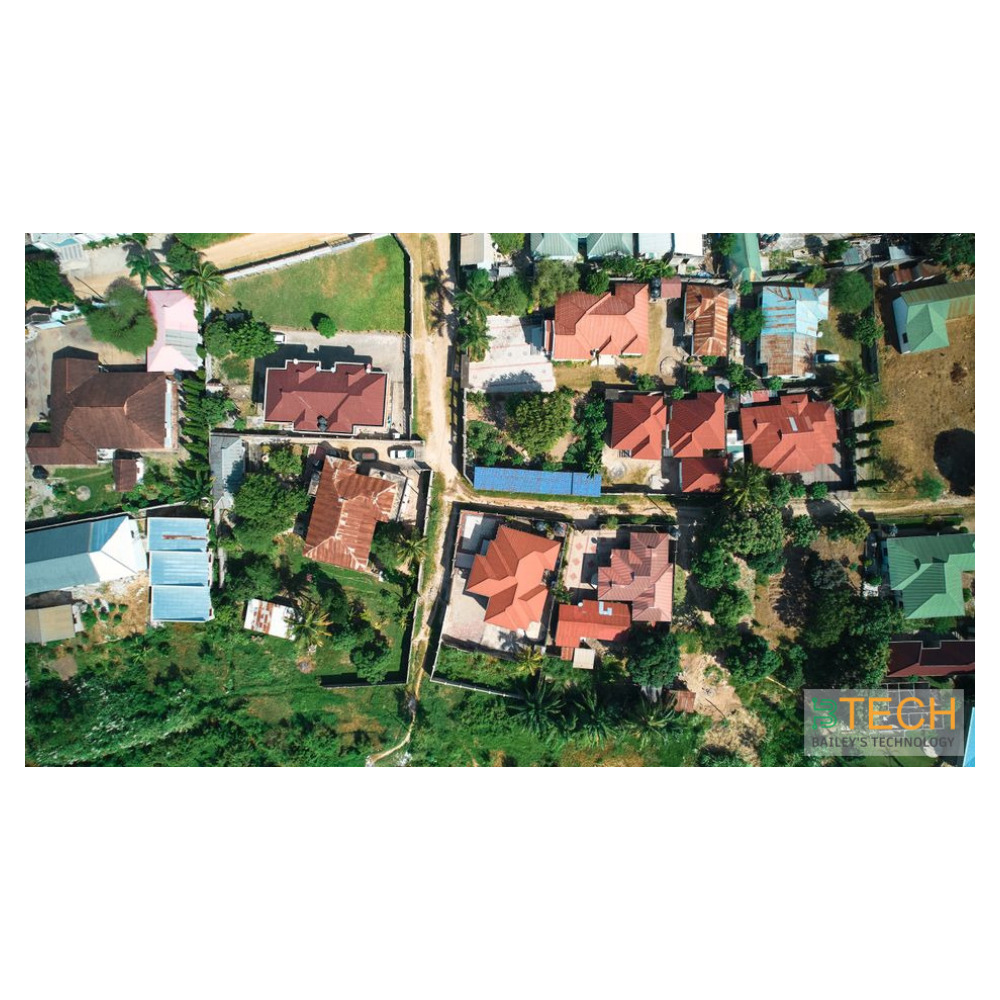


Net billing is Jamaica’s mechanism for selling solar surplus: an approved grid-tied system exports excess power to JPS and receives bill credits — turning your roof into a small supplier every sunny day.
How the arrangement works
Your system powers the house first; surplus flows to the grid through a meter that records exports; credits appear against your consumption. The export rate is set by your agreement and sits below the retail rate — a design fact with one big strategic consequence.
The strategy: self-consume first
Because a kilowatt-hour you avoid buying (historically US$0.30–0.40 all-in) is worth more than one you export, smart systems maximise self-consumption — batteries (10–16kWh lithium, J$360,000–J$450,000) shift midday surplus into the evening, and exports become the cherry, not the cake.
Getting approved
Net billing requires an interconnection application to JPS with compliant equipment and installation. BTECH supplies qualifying hybrid inverters (6kW–12kW) from Ocho Rios stock, installs to standard, and files the application as part of grid-tie projects — you sign, we chase.
FAQ
Does JPS pay cash for exports?
Credits offset your bill under the agreement — think bill reduction, not cheques.
Is net billing worth it without a battery?
Yes for daytime-heavy homes; battery systems simply capture more value per panel.
How long does approval take?
Variable with JPS processing — we file early so paperwork and installation finish close together. Start free: btechj.com/solarestimate · 876-777-5488.