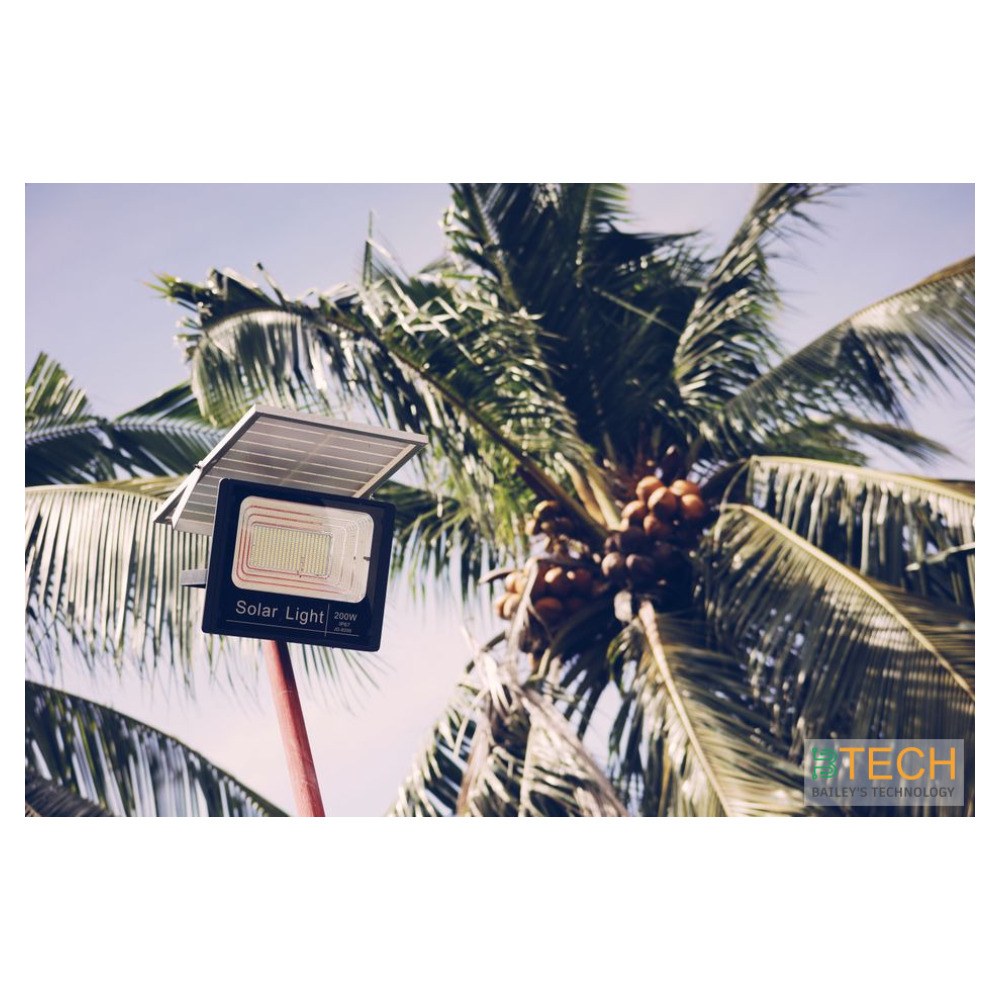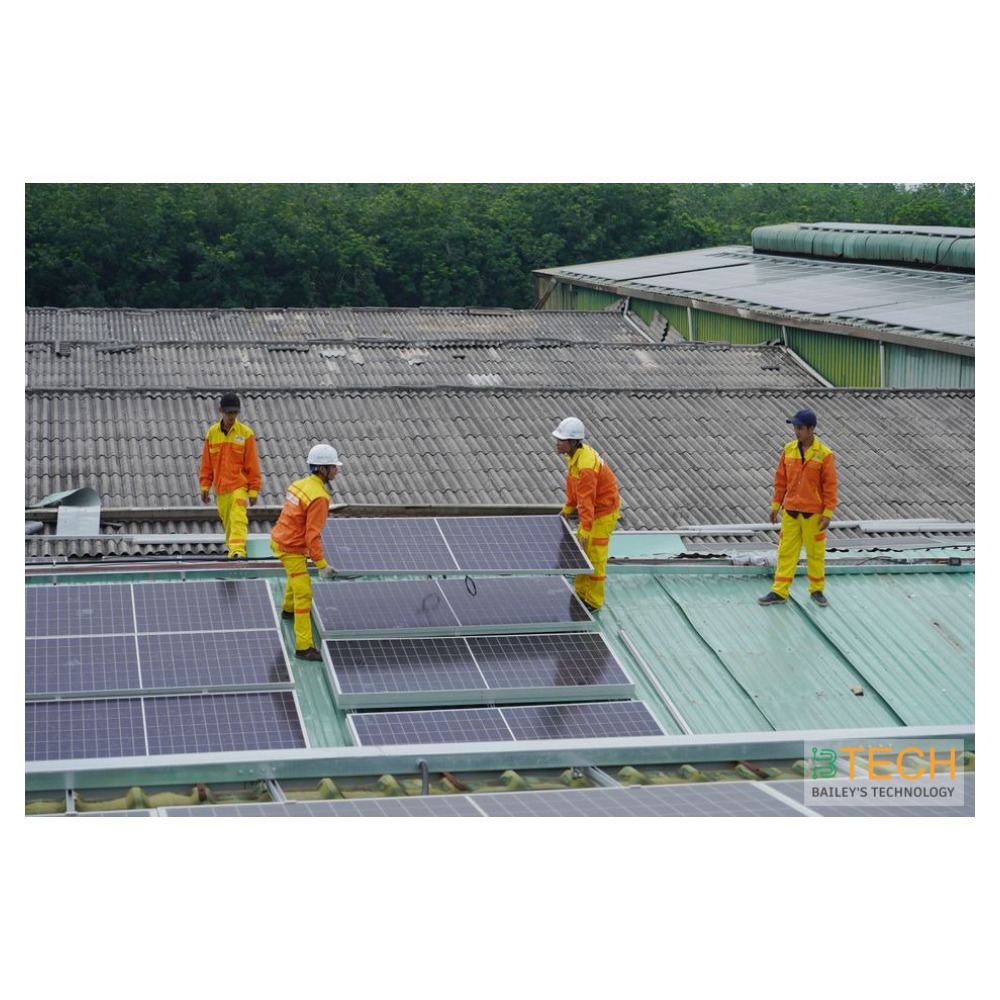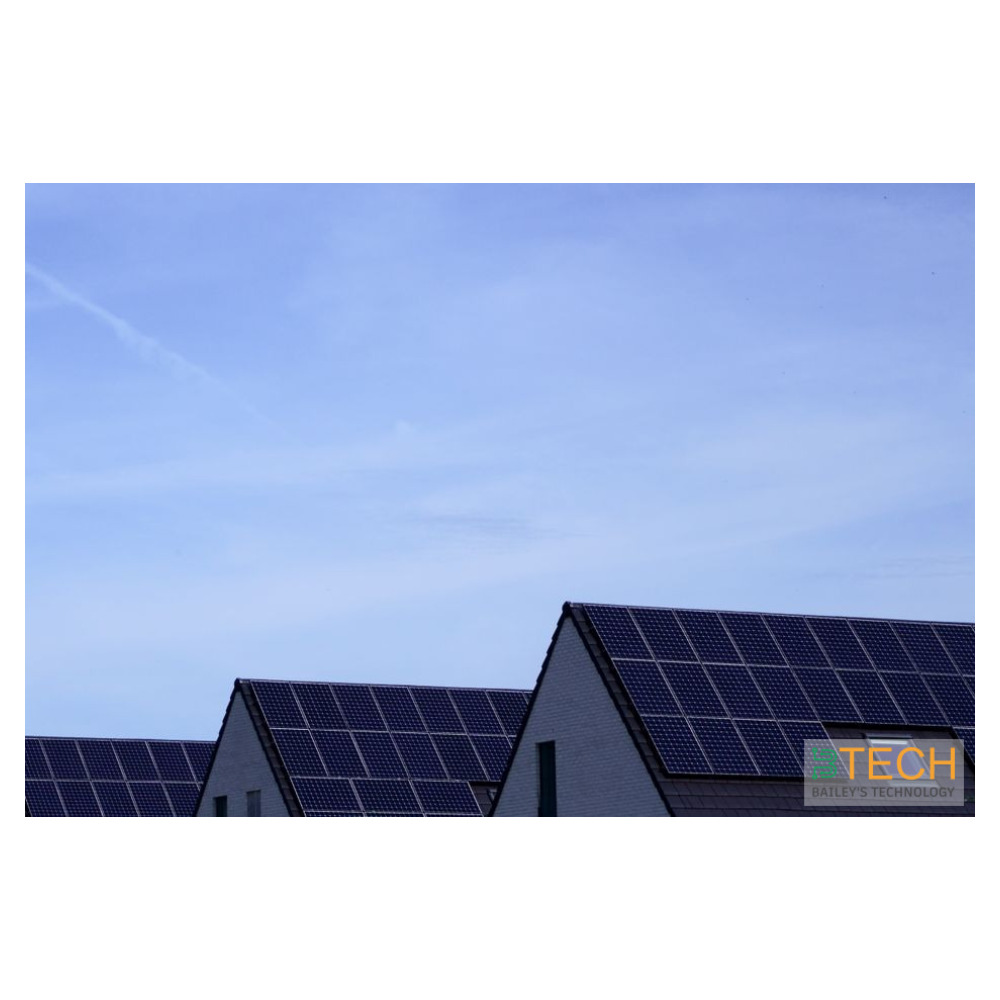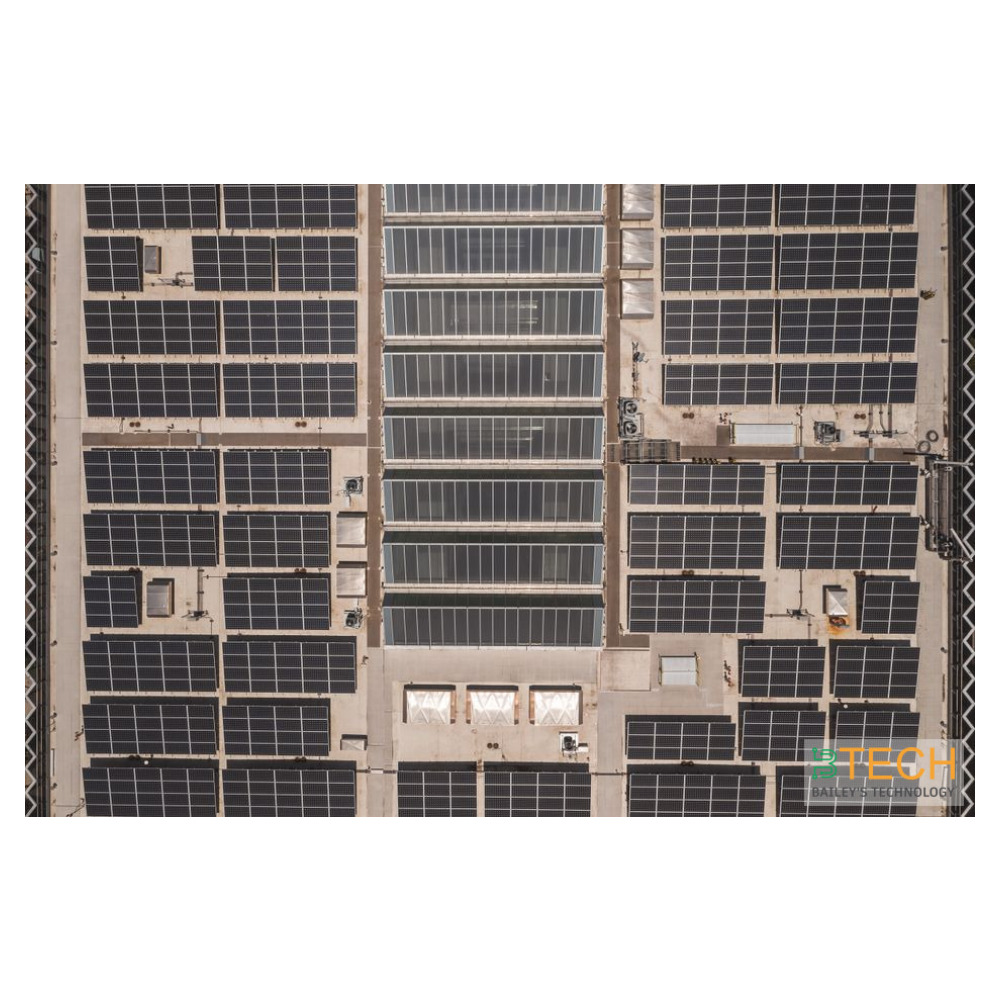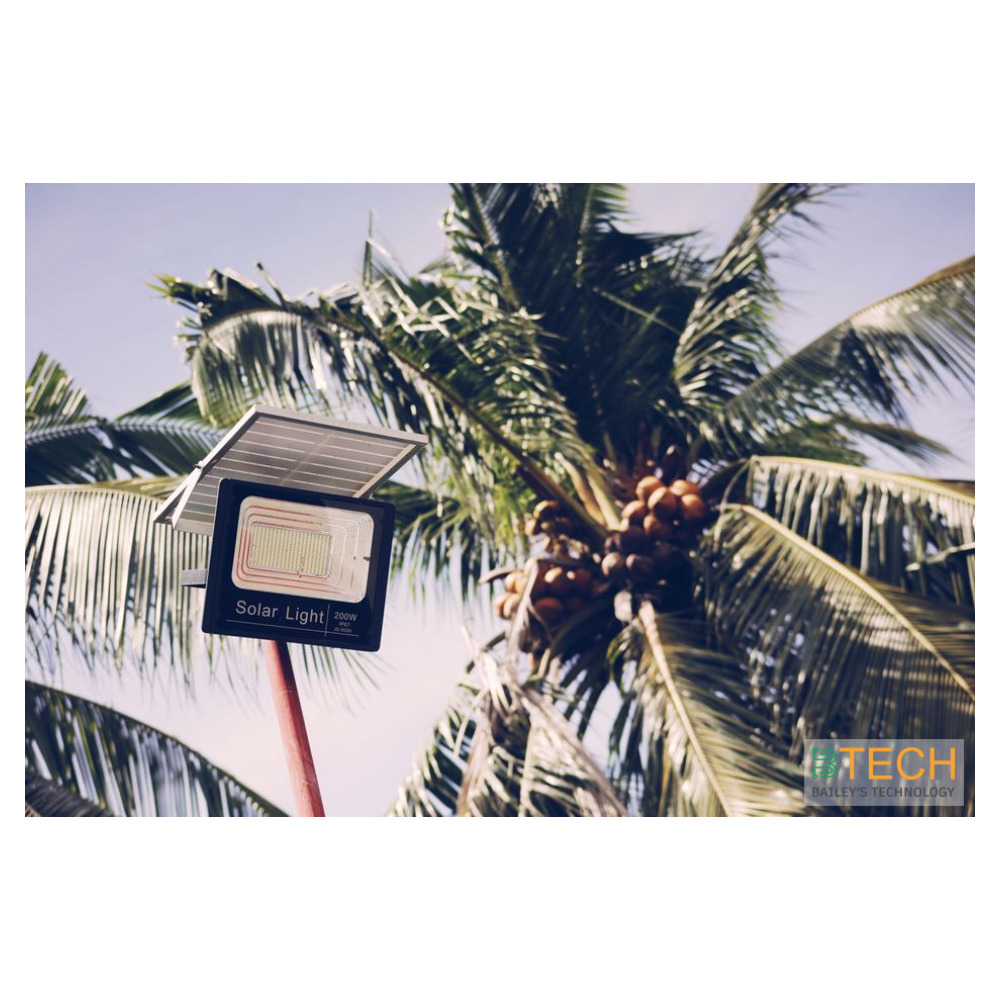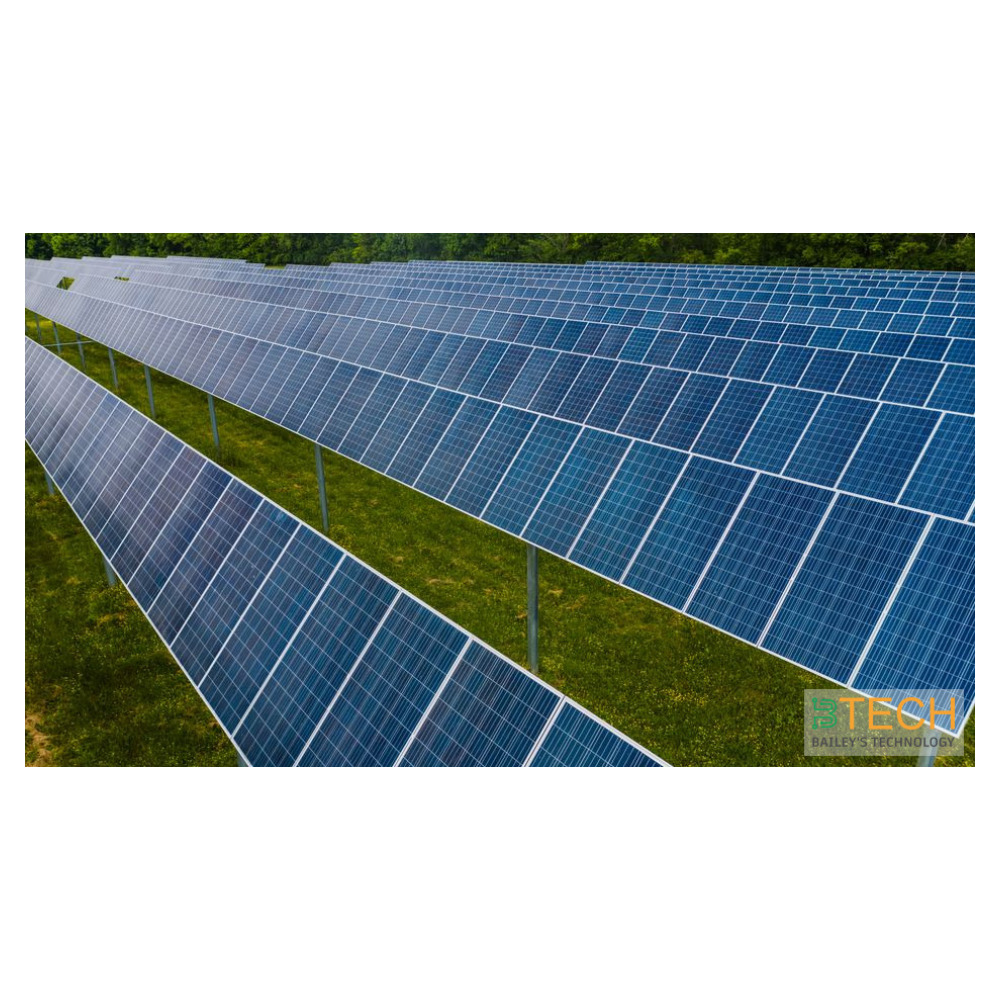

The Jamaican environment throws four tests at solar equipment — relentless UV, heat, salt air and storm season — and quality components pass all four by design: tempered glass, UV-stable encapsulation, marine-aware hardware and engineered mounting.
Test 1: UV and heat
Panels are built of tempered glass and UV-stabilised layers rated for decades of tropical exposure; production dips slightly on the hottest afternoons (physics, not defect) and quality modules — like the 605W bi-facials BTECH stocks at J$25,000 — degrade output by well under 1% per year, backed by 25+ year warranties.
Test 2: salt air
The coast’s real victim is cheap hardware, not panels. Stainless fasteners, sealed connections and drip-loop cable runs are standard in BTECH coastal installs — corrosion is an avoidable failure, and we avoid it.
Test 3: rain and humidity
IP-rated connectors (genuine MC4s, J$250/pair), weatherproof enclosures and correct cable glands keep water where it belongs. Most humidity failures trace to counterfeit connectors — buy genuine.
Test 4: storm season
Covered by mounting discipline: structure-anchored feet, torque-spec’d clamps, edge-aware layouts (see our storm-proofing standard). Panels themselves carry severe wind and impact certifications.
The durability habits
Rinse panels a few times yearly, glance at monitoring monthly, torque-check after year one, renew surge protection after big lightning seasons (J$6,000). That is the entire tropical maintenance burden.
FAQ
Do panels rust?
Frames are anodised aluminum — no. Cheap mounting bolts do; ours are chosen not to.
How long do systems last here realistically?
Panels 25+ warranted years; inverters typically a decade-plus; lithium batteries many years of daily cycling.
Who inspects tropical wear?
BTECH, island-wide: 876-777-5488.