

The honest order for cutting a JPS bill: kill waste first (free to cheap), then produce your own power (an investment that pays back in roughly 3–5 years). Doing it in that order means buying a smaller solar system — the cheapest optimisation of all.
Stage 1: the free and cheap cuts
LED every socket; water-heater timer or better, a solar water heater (BTECH stocks 40- and 53-gallon units); fridge seals and coil cleaning; fans before AC, and AC serviced and set sanely; phantom loads on switchable strips. Households routinely shave 10–20% here for pocket change.
Stage 2: measure what remains
Your post-efficiency bill is the true sizing input. At all-in rates historically around US$0.30–0.40 per kWh, whatever remains is expensive enough to justify producing yourself.
Stage 3: produce
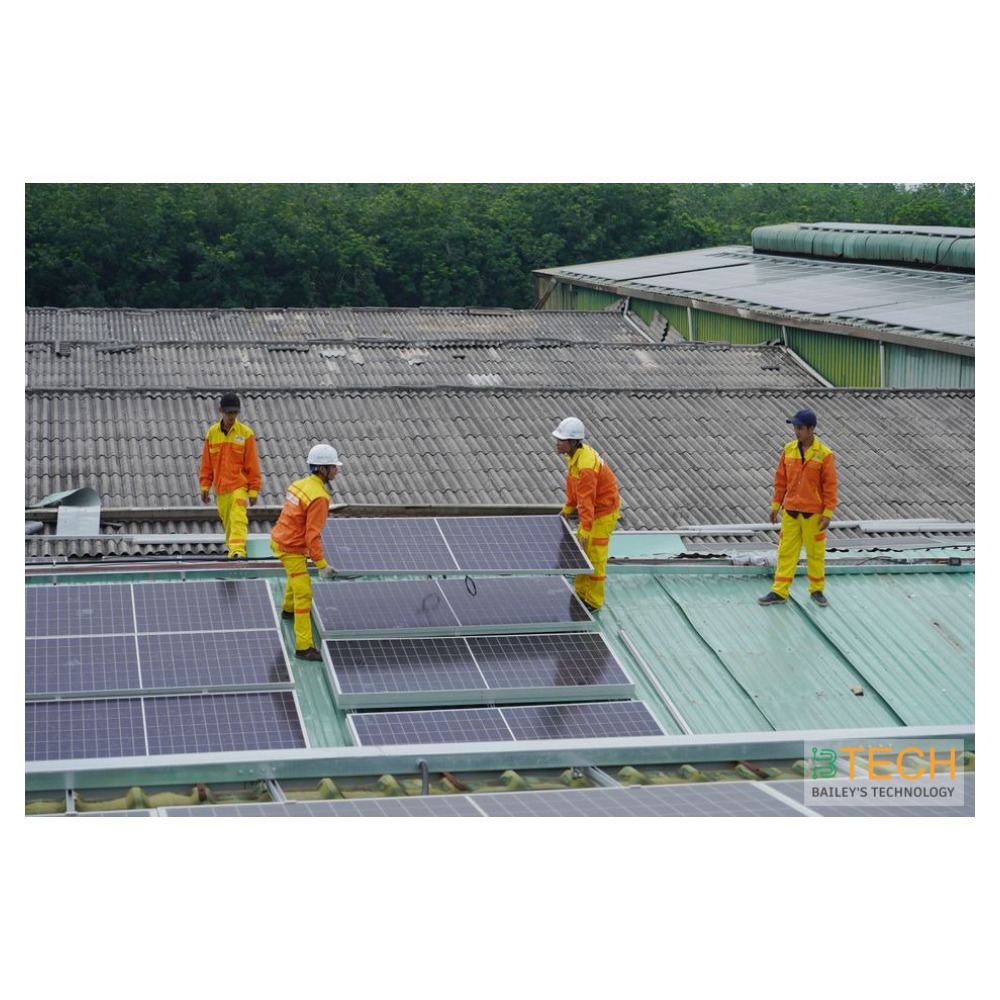
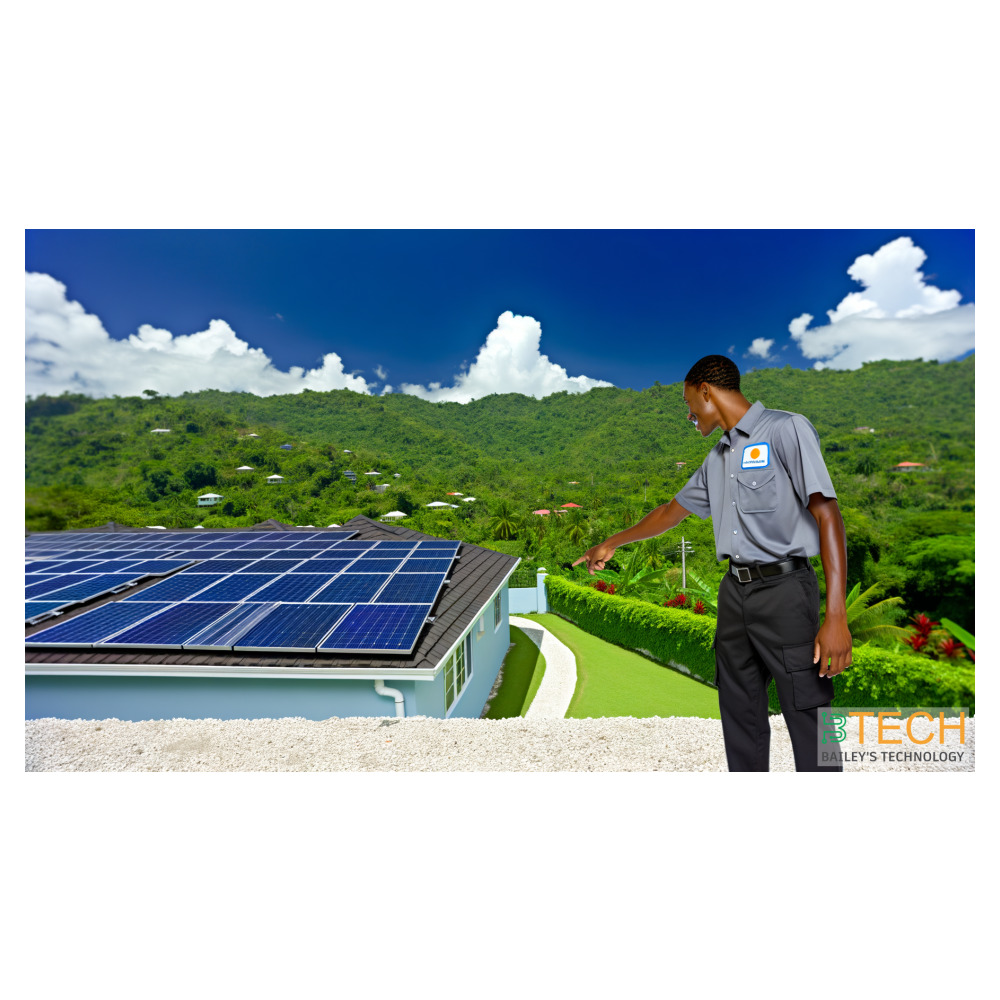
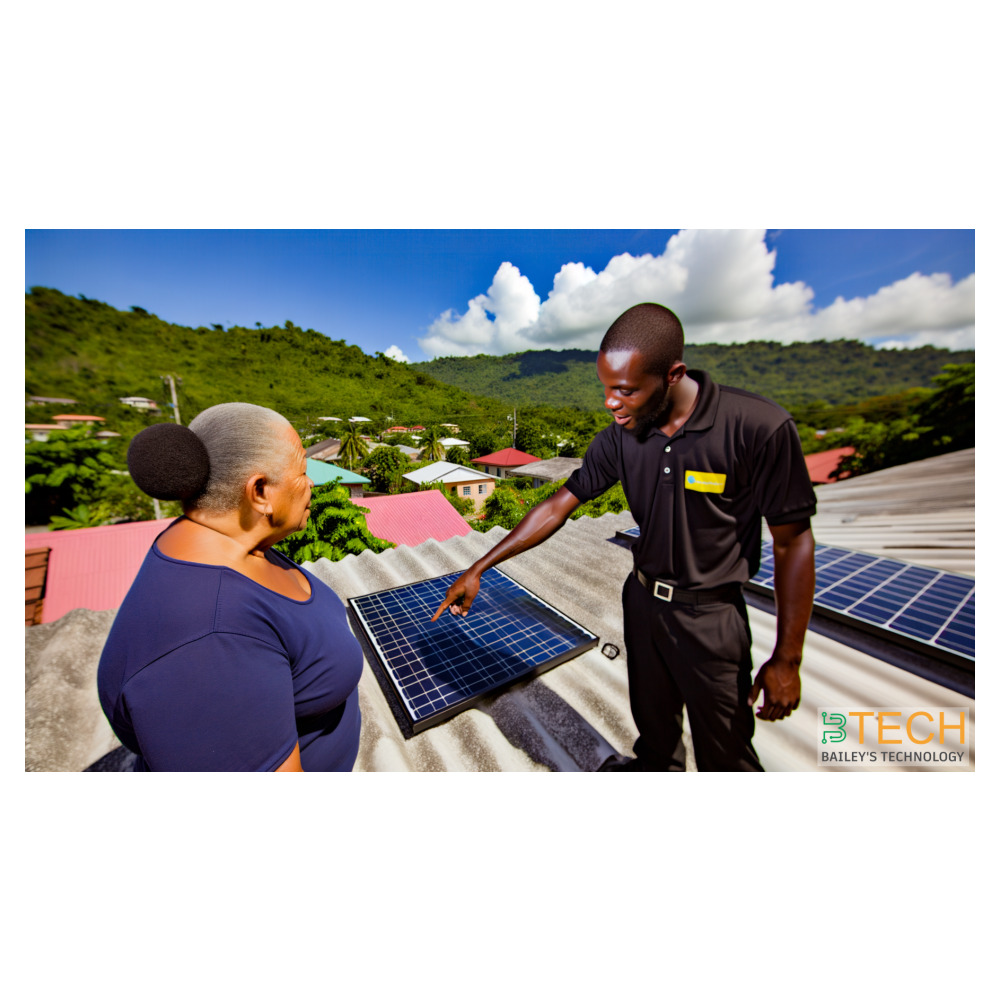
A starter system (6kW hybrid + 6×605W panels, J$522,000 installed) erases daytime purchases; adding lithium storage (~J$1.14M total) extends the erase into the night — the standard 70–90% outcome. Net billing credits cover the overflow.
The order matters financially
Every 100W of waste you eliminate first is roughly a panel you do not need to buy. Efficiency is not the alternative to solar — it is solar’s discount coupon.
FAQ
What single efficiency step pays fastest?
Water heating — timers cost little; solar water heaters remove the load entirely.
How do I know my system size after efficiency?
The free calculator: btechj.com/solarestimate.
Can BTECH audit my usage?
Bring or WhatsApp a bill (876-777-5488) — the consultation includes exactly this.