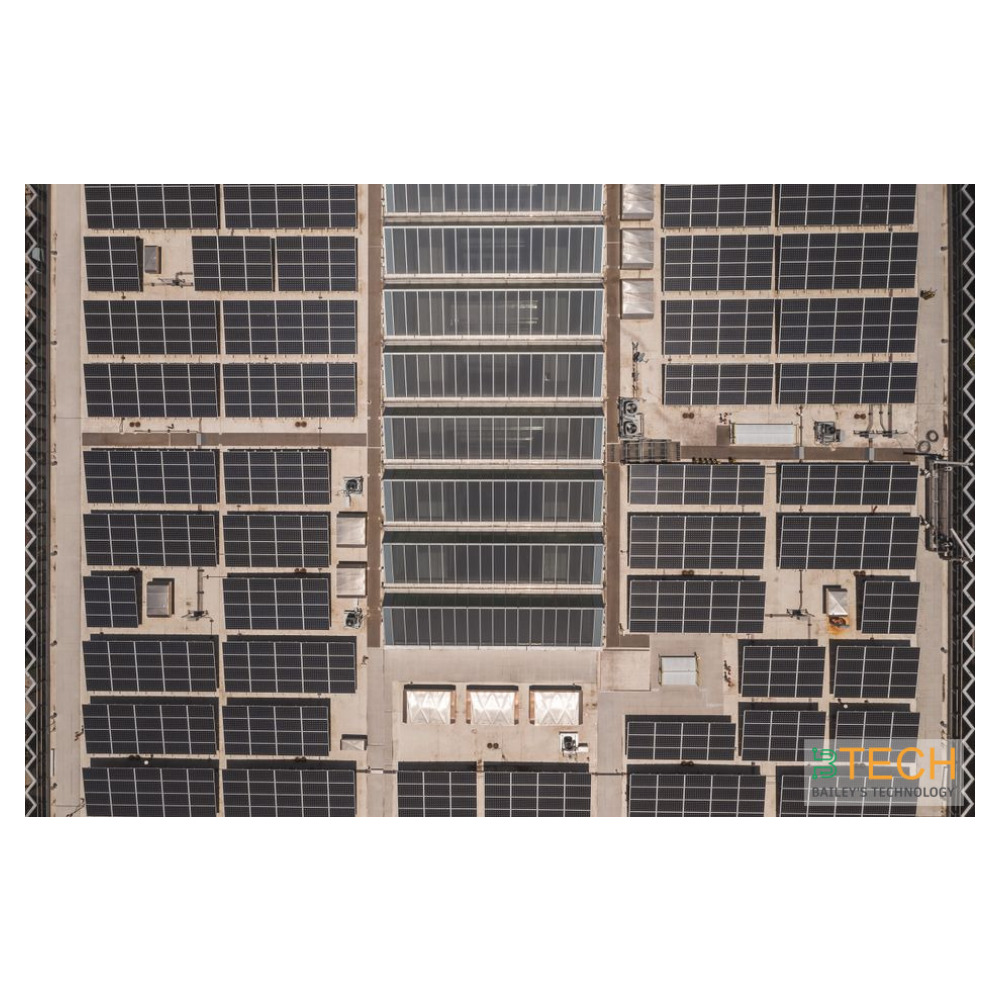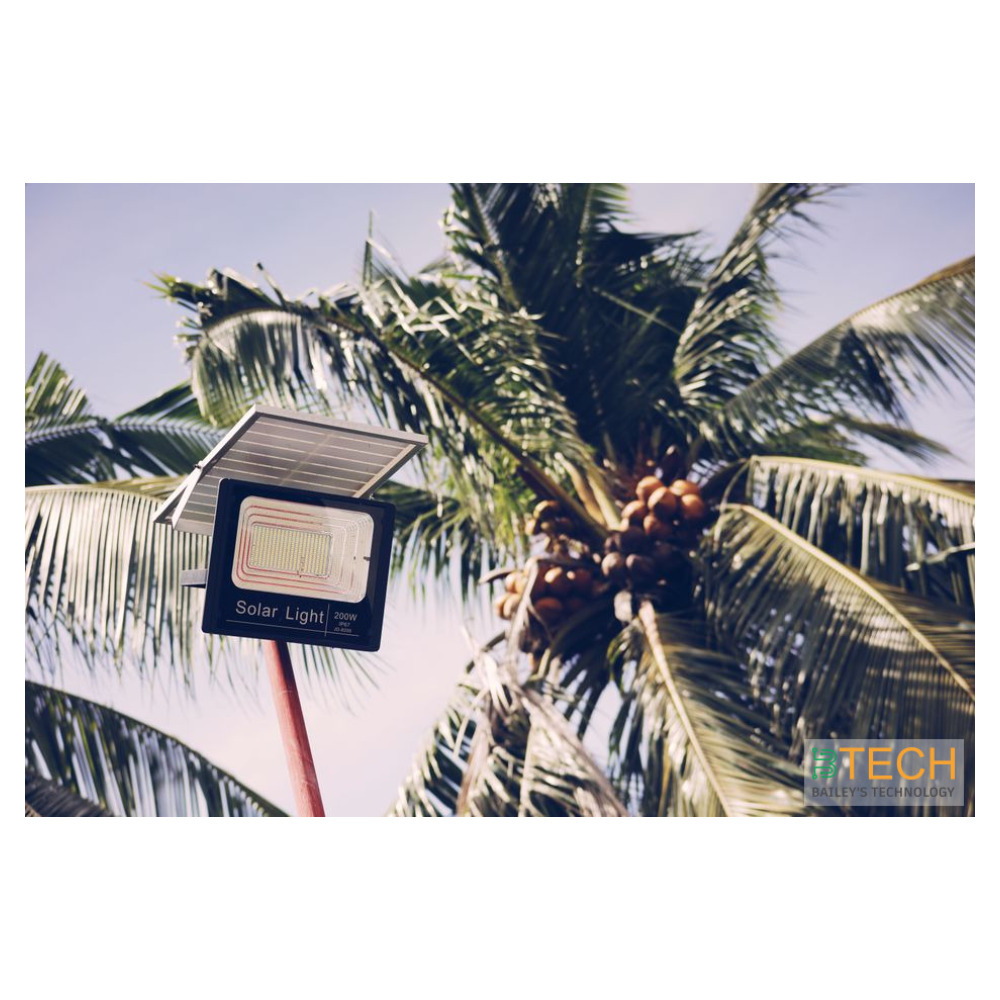

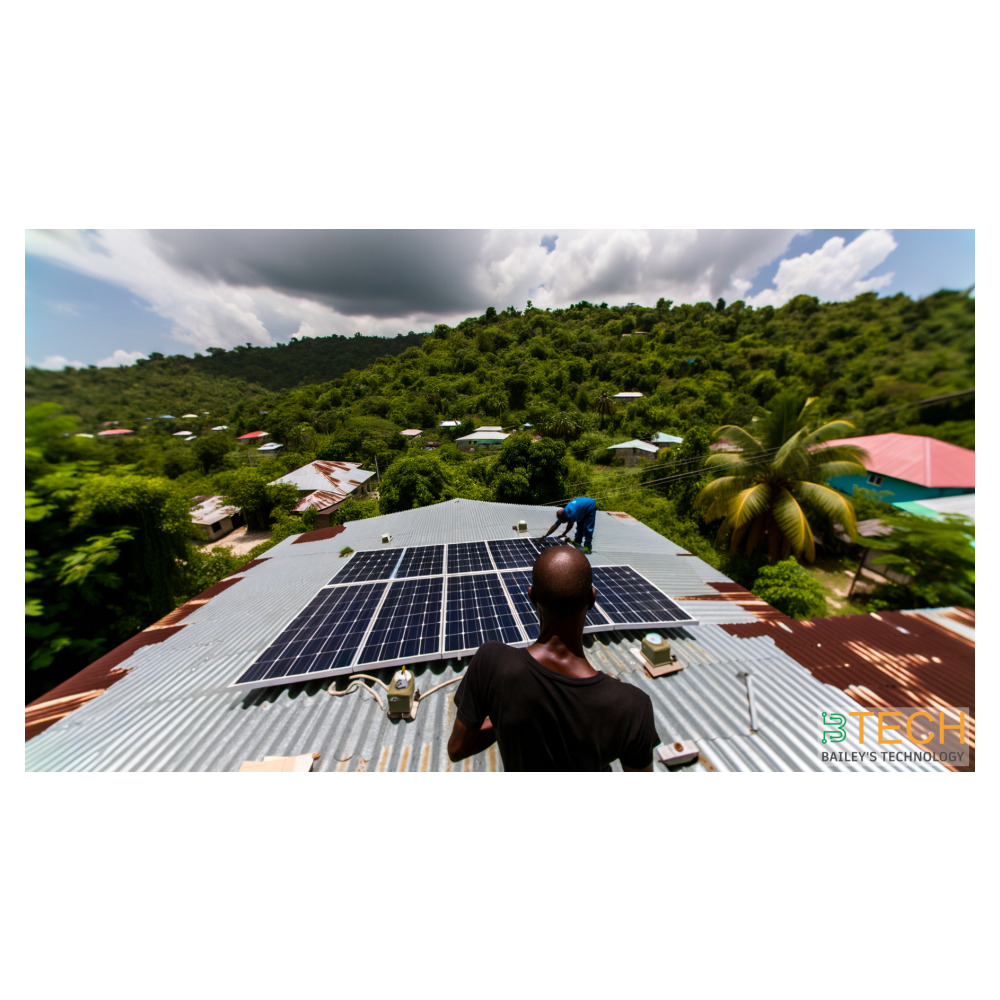
A storm-proof solar installation is a checklist, not a promise: structure-hit attachments, torque-spec’d clamps, edge-aware layout, corrosion-proof hardware and surge protection. Build to the checklist and hurricane season becomes weather, not drama.
The checklist that survives
1. Hit structure. L-feet (J$700) lagged into rafters or purlins — never decking alone. Standing-seam roofs take clamp-on S5 hooks (J$600), zero penetrations.
2. Engineer the spans. 16ft rails (J$6,000) with spans matched to load — more feet where the wind maths says so.
3. Torque, and verify torque. Mid (J$500) and end (J$450) clamps to spec; re-checked after the first season.
4. Respect edge zones. Uplift concentrates at corners and ridges — panel layout keeps distance or reinforces.
5. Coastal metallurgy. Stainless fasteners near salt; galvanic pairs avoided.
6. Electrical storm-hardening. DC and AC surge protection (J$5,200–J$6,000) — because the same season brings the lightning.
Why this is standard, not premium
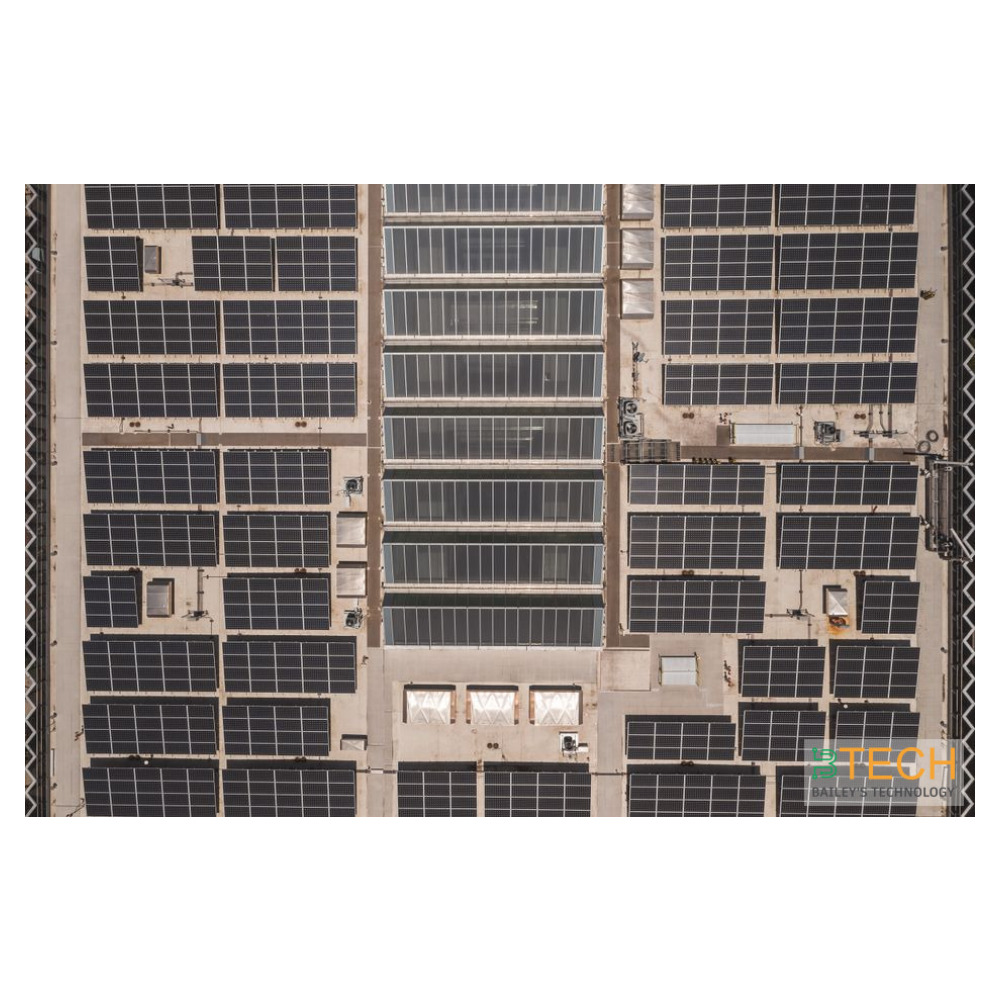
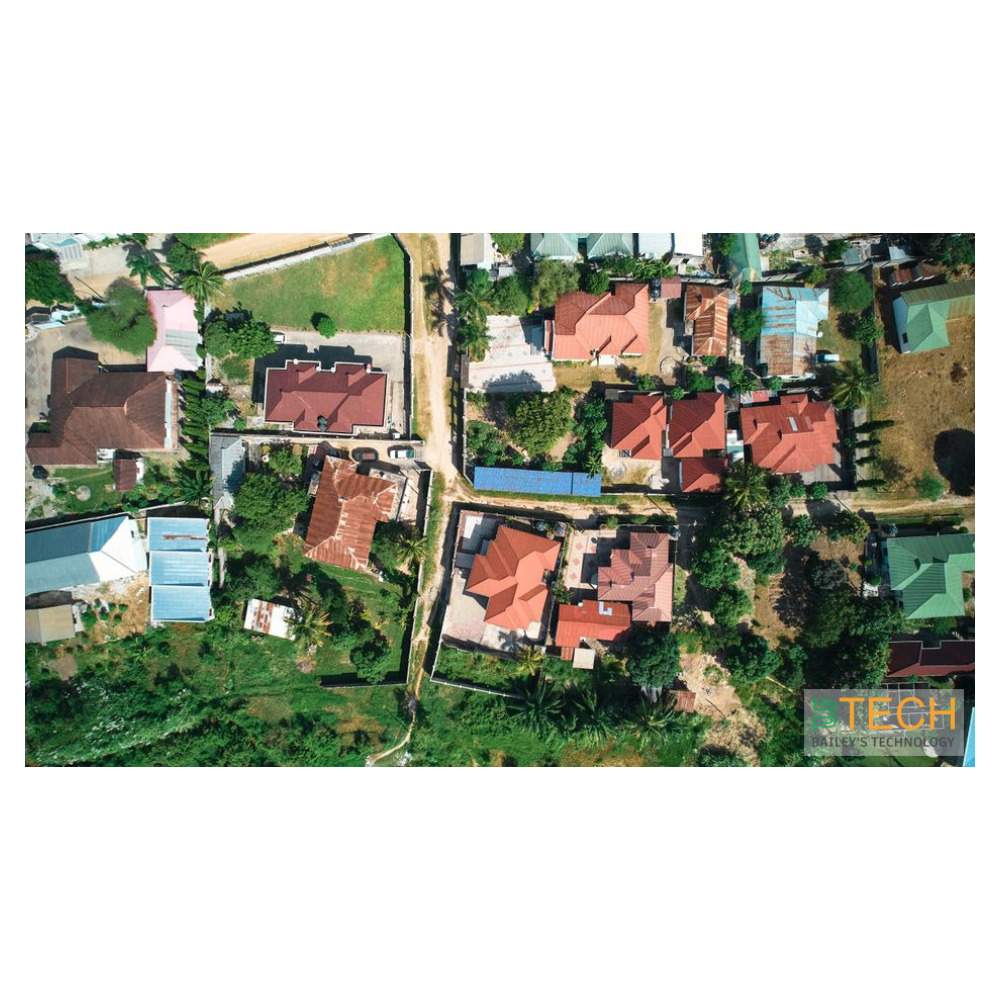
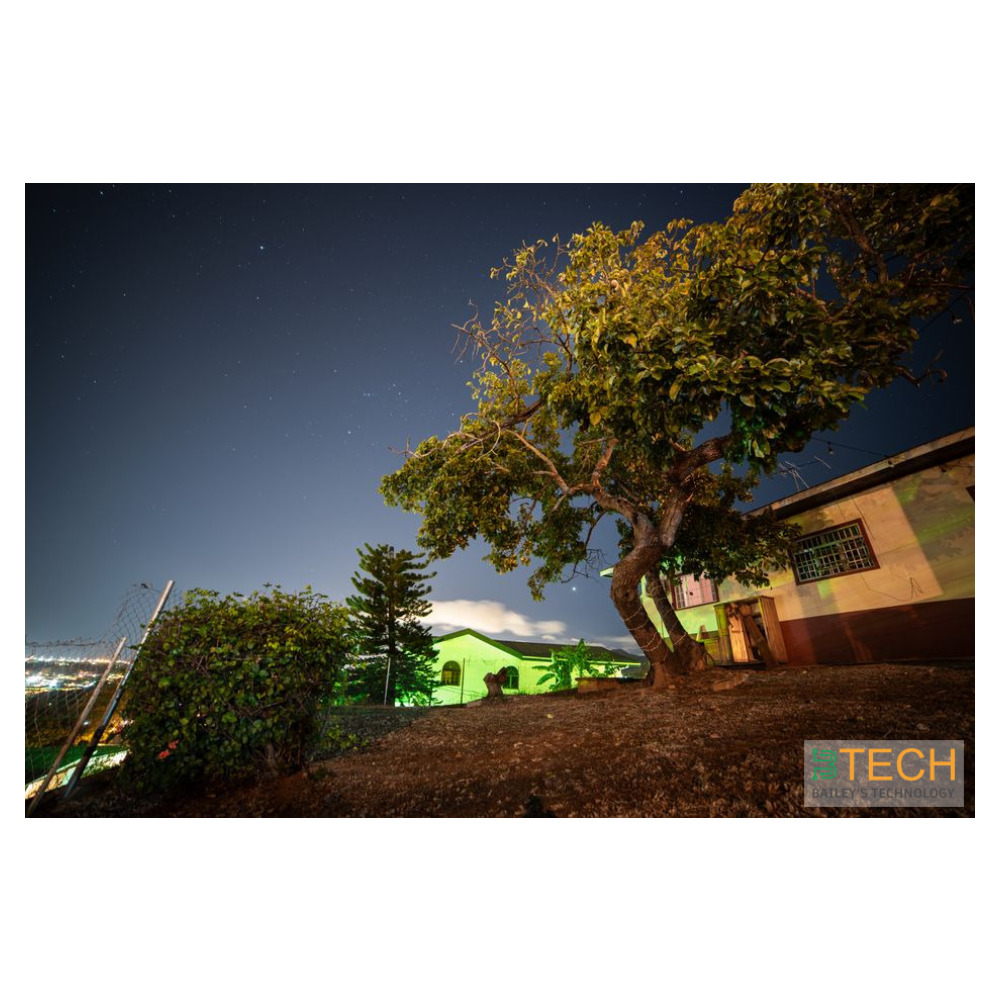
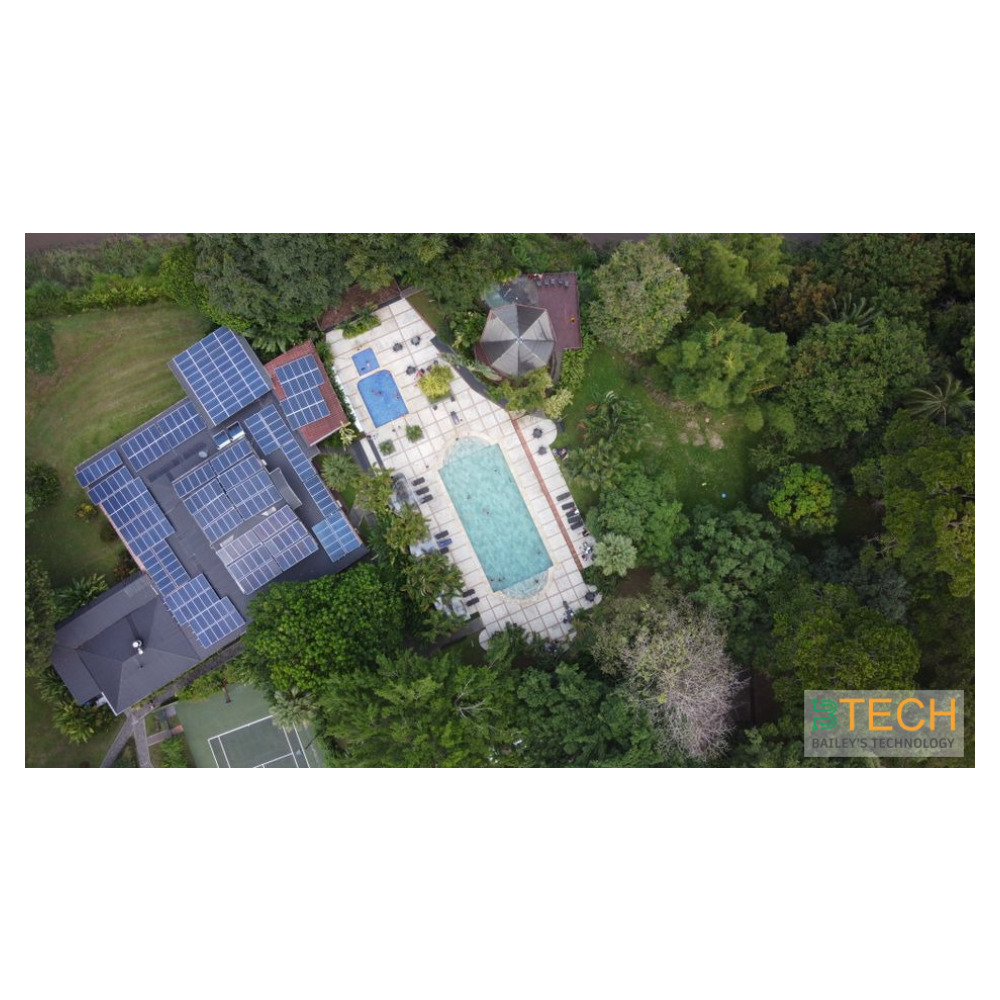
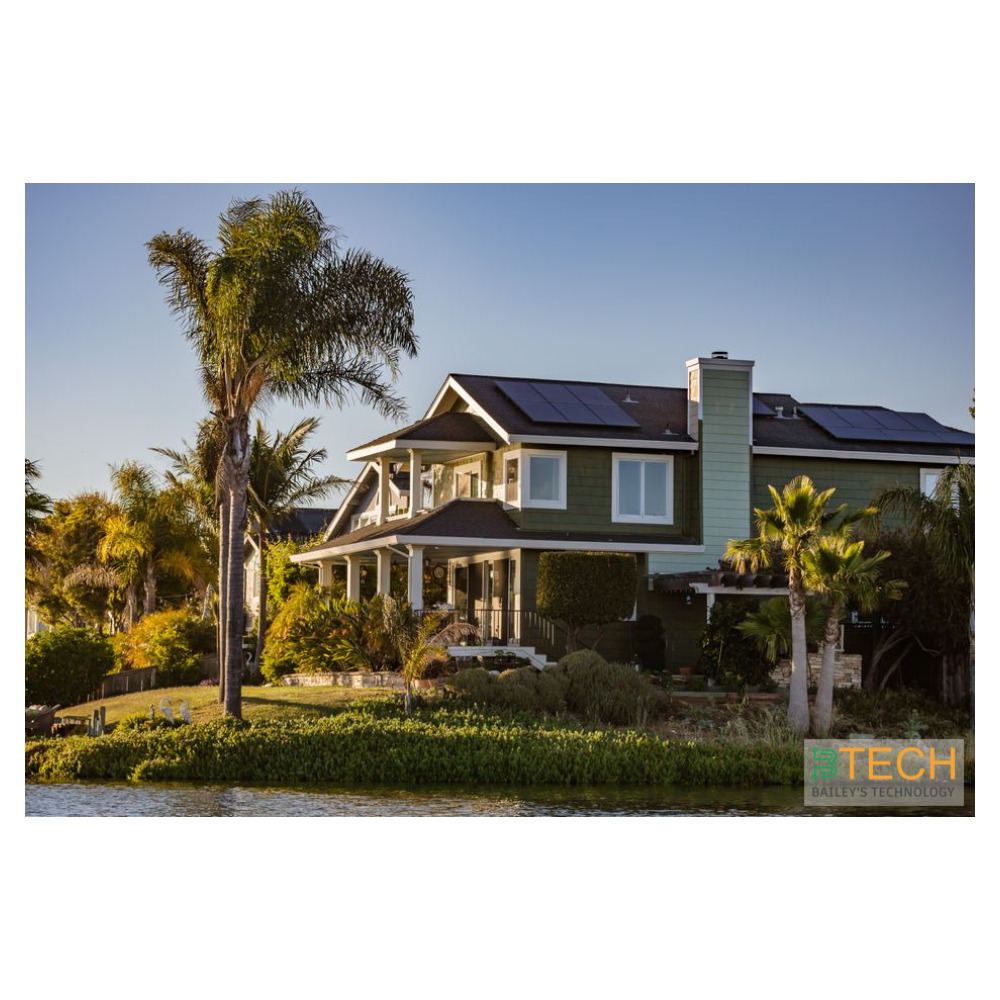
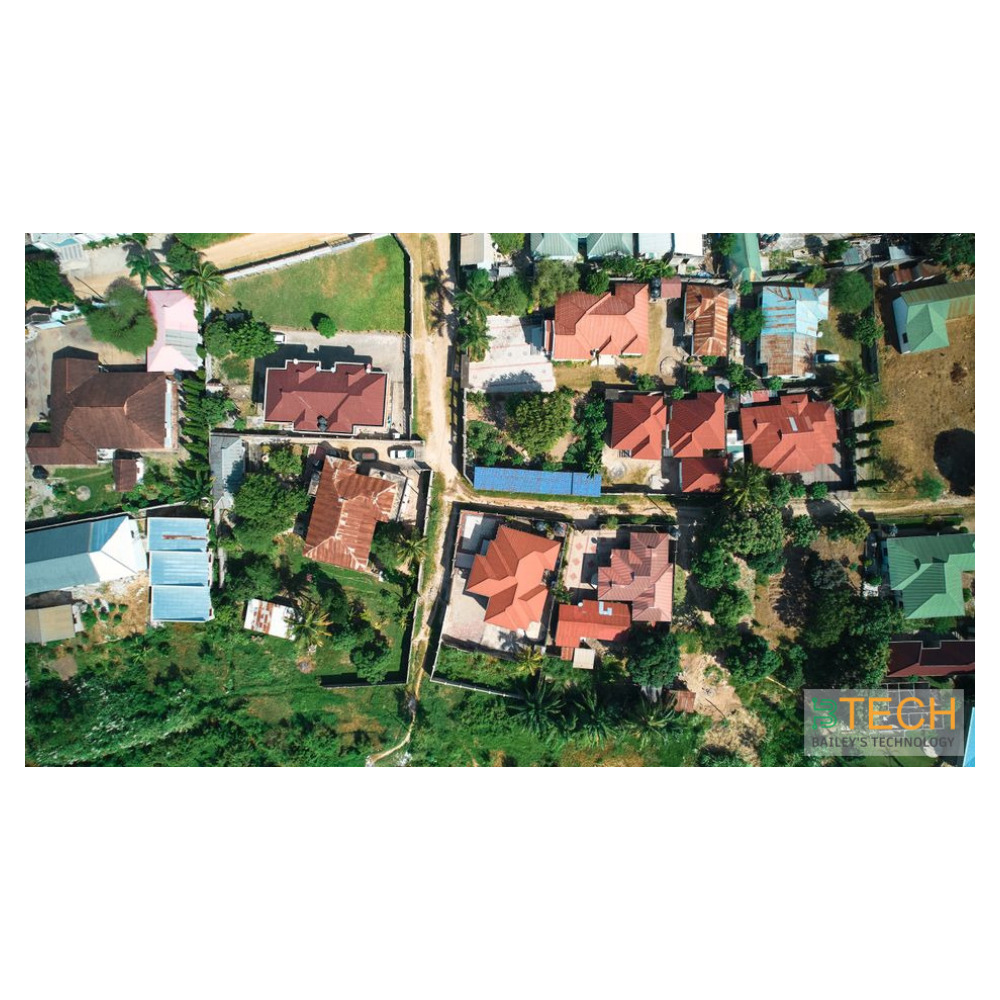
BTECH installs with the same hardware we stock and warrants — shortcuts come back to our own counter, so they do not happen. Our public gallery (btechj.com/gallery) is full of arrays that have already met real weather.
FAQ
Does storm-proofing cost much more?
Marginal hardware cost on a system starting at J$522,000 — the cheapest insurance in the build.
Can you audit someone else’s installation?
Yes — pre-season torque-and-attachment audits island-wide: 876-777-5488.
What fails most in unaudited systems?
Decking-only screws and finger-tight clamps — both invisible until the wind finds them.